

Emergency Traffic Management in Australia: What Happens After the First Crew Arrives
Emergency traffic management is the rapid deployment of traffic control to make a road safe after an unplanned event: a burst water main, downed power lines, a vehicle incident blocking a live lane, or storm damage across a network. Response time is a fair first question, and it matters. It is not the whole measure. What determines the outcome of an emergency is usually what happens after the first crew arrives: whether the setup is compliant, whether it transitions into formal documentation and whether it can be sustained for as long as the situation runs.
What Is Emergency Traffic Management?
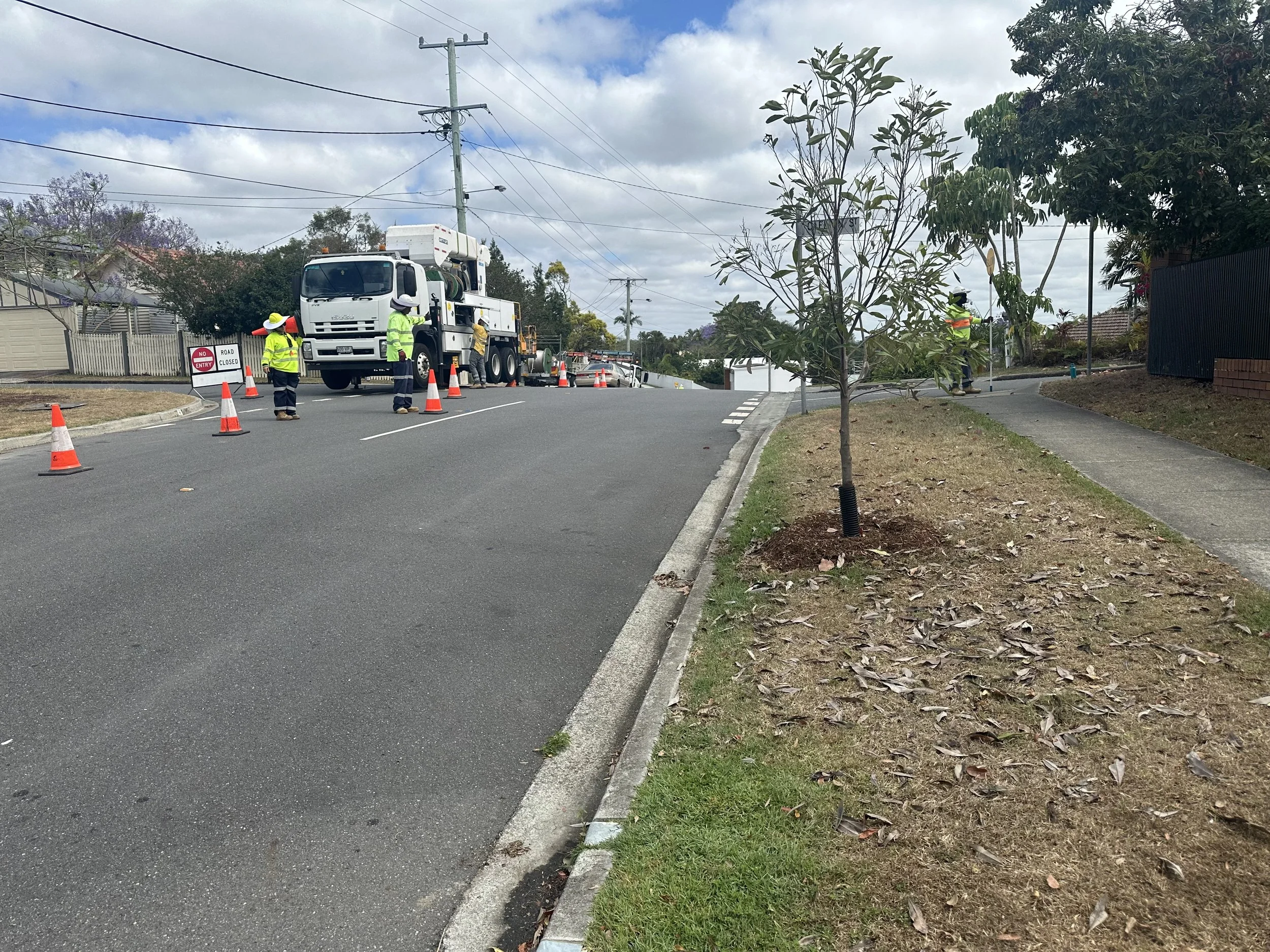
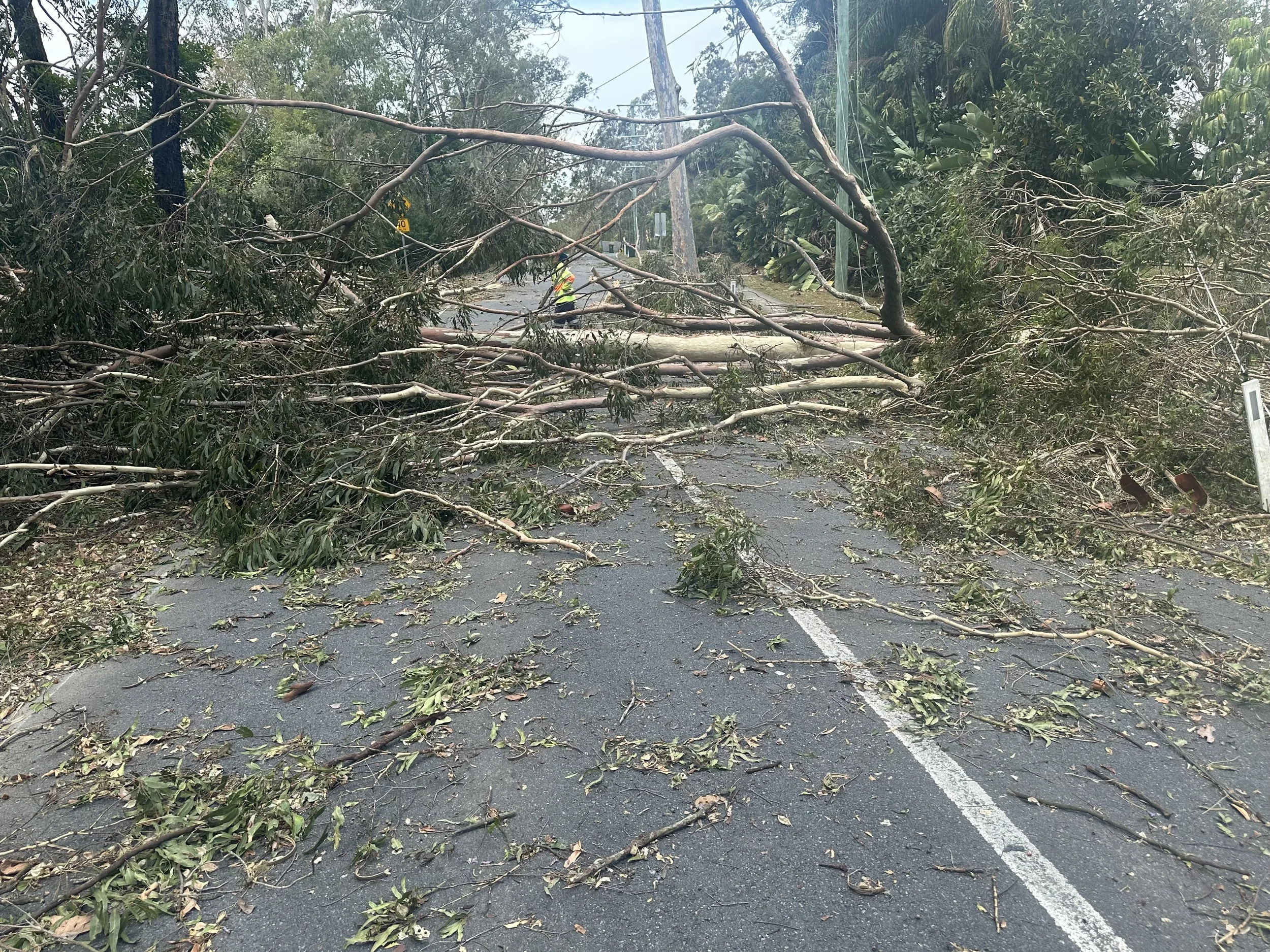
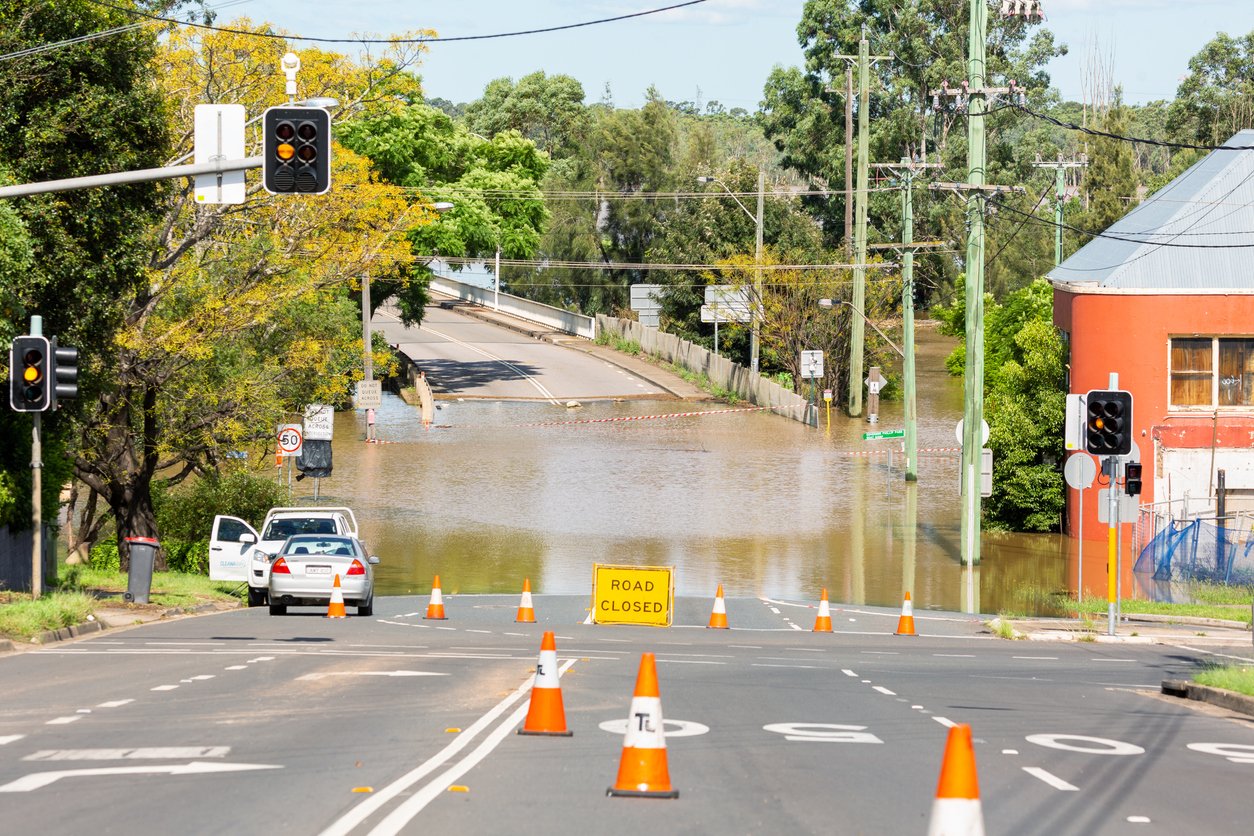
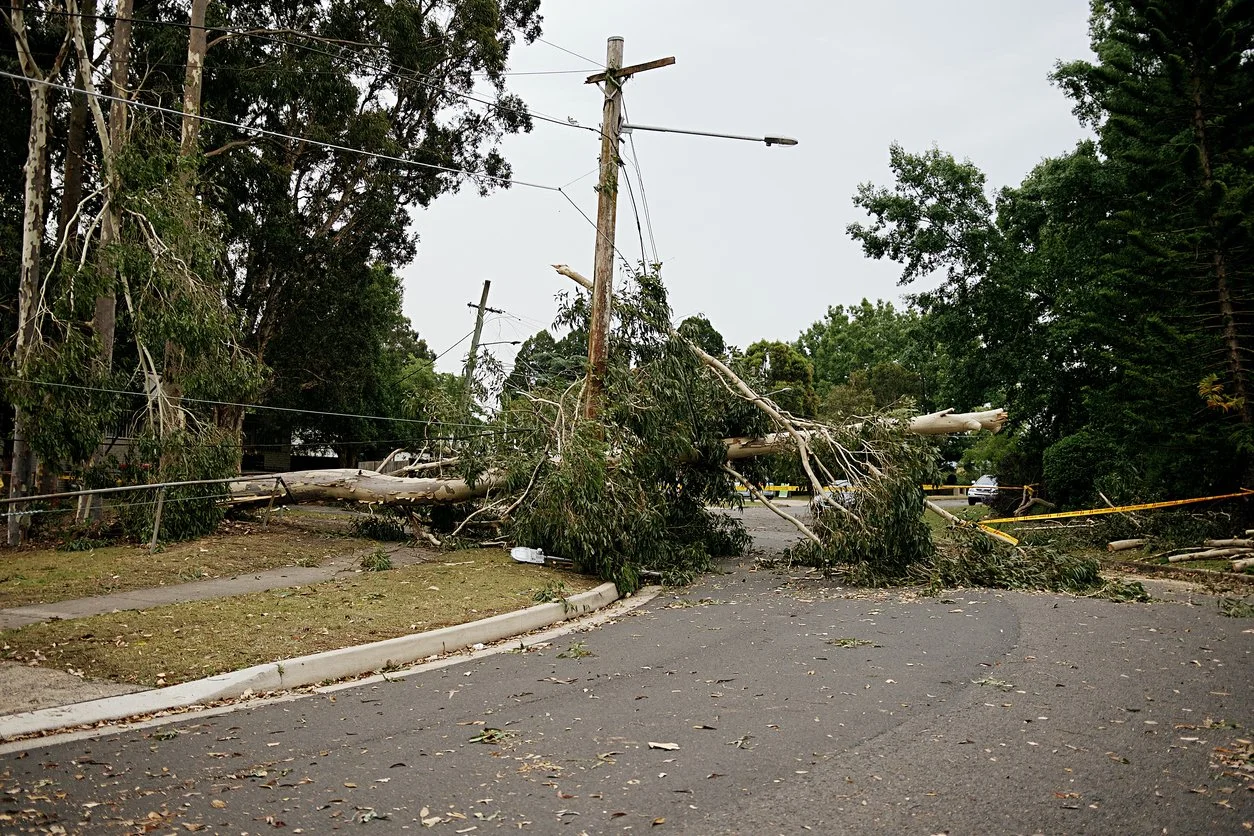
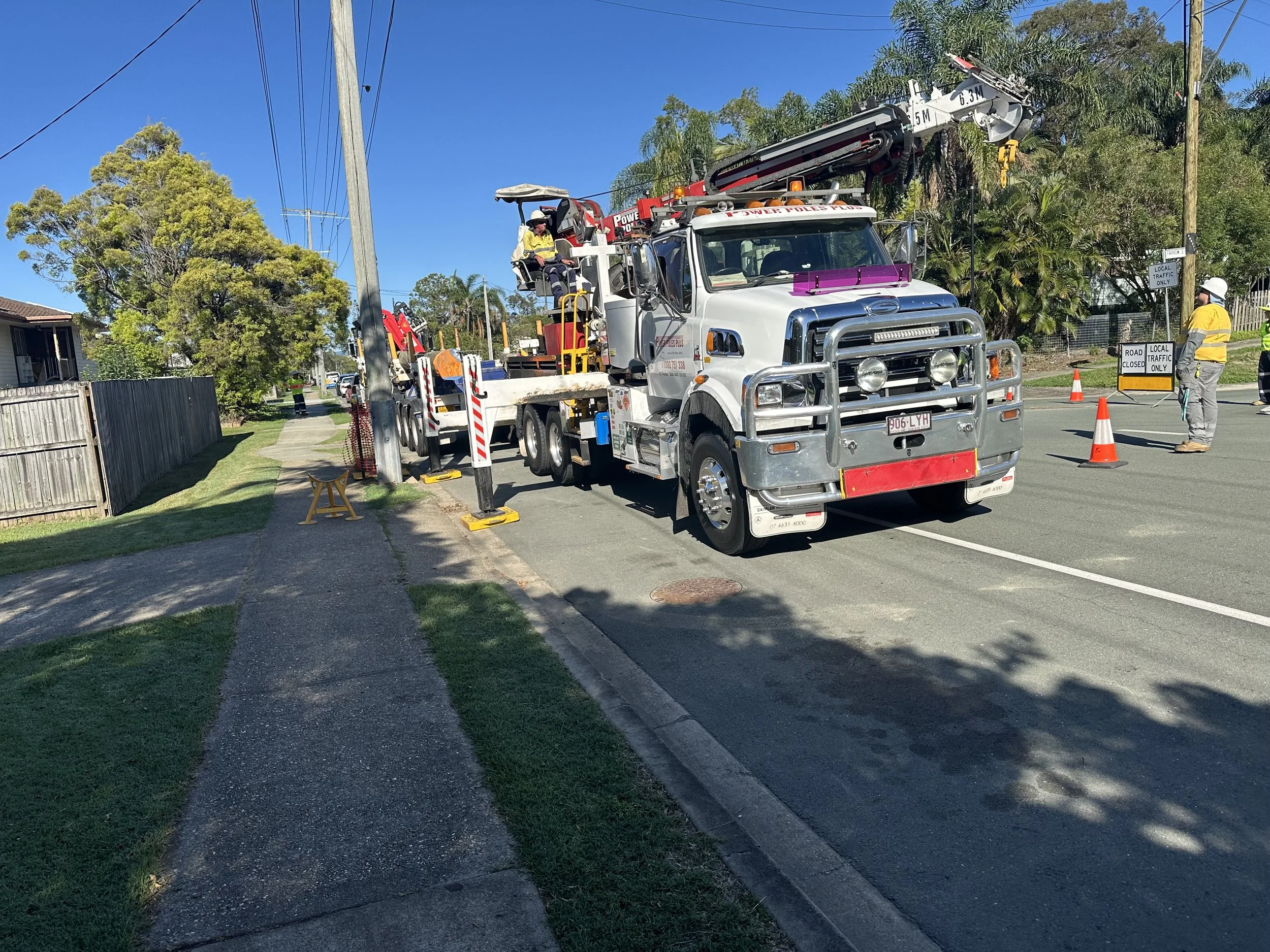
Emergency traffic management is unplanned, short-notice traffic control deployed in response to an incident or asset failure on or near a road. It covers utility failures such as burst mains and downed lines, vehicle incidents, road surface failures, fallen trees and debris and severe weather events including storms, flooding and cyclones.
The people calling it in are typically utility field crews, council depots, road authority operations centres, contractors on active projects and, at times, emergency services already on scene. The common thread is that nobody planned for it, the hazard is live, and the road needs to be made safe before anything else can happen.
Why Is Response Time Only Part of the Picture?
A stated response time tells you when a vehicle is expected to arrive. It does not tell you where that vehicle is coming from, what will be in place when it gets there, or how long the provider can hold the site. Those three gaps are worth closing before an emergency happens rather than during one.
Response From Where?
A crew ten minutes from site and a crew dispatched from a depot on the other side of the state are both technically responding. The practical difference is significant, particularly in regional areas. Response capability is a function of depot proximity to the site, not of a national average quoted on a website.
Response to What Standard?
A truck on site is not the same as a compliant traffic control setup in place. The useful question is how long until the road is safe, and the setup will hold up to scrutiny, not how long until someone arrives.
Response for How Long?
Storm events, major main breaks and network failures can run for days. A fast start counts for little if the provider cannot roster crews across consecutive shifts, including overnight, for the duration of the event.
What Determines How Quickly a Traffic Control Crew Can Reach a Site?
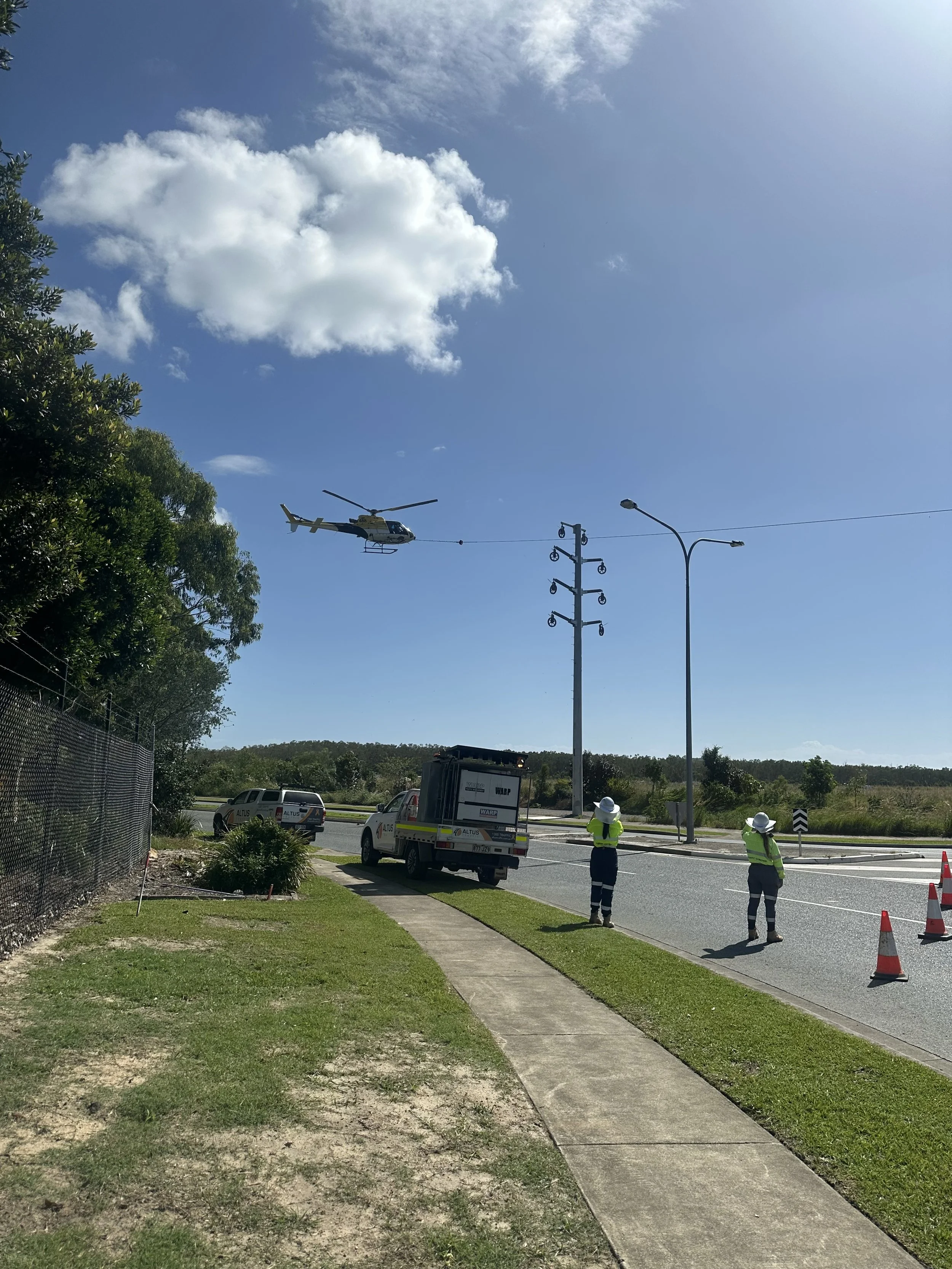
Depot coverage determines response speed, not total fleet size. A large fleet concentrated in one metropolitan area does not shorten the drive to a site three hours up the coast. What shortens it is a distributed network of depots and locally based crews positioned across metropolitan and regional areas, so the nearest available resource is a suburb away rather than a state away.
Altus Traffic operates depots and locally based crews across VIC, NSW and the ACT, QLD, WA, SA and TAS, supporting around 1,800 customer organisations nationally with more than 6.2 million service hours a year.
How Many Emergency Traffic Management Jobs Does Altus Traffic Run Nationally?
As Australia's largest traffic services provider, Altus Traffic runs emergency traffic management jobs every month across every state it operates in: VIC, NSW/ACT, QLD, WA, TAS and SA. In Queensland alone, for example, that volume sits between 50 and 80 jobs a month. Individual jobs range from a single hour, such as an urgent lane closure resolved within a shift, up to multiple days for major utility failures and storm events.
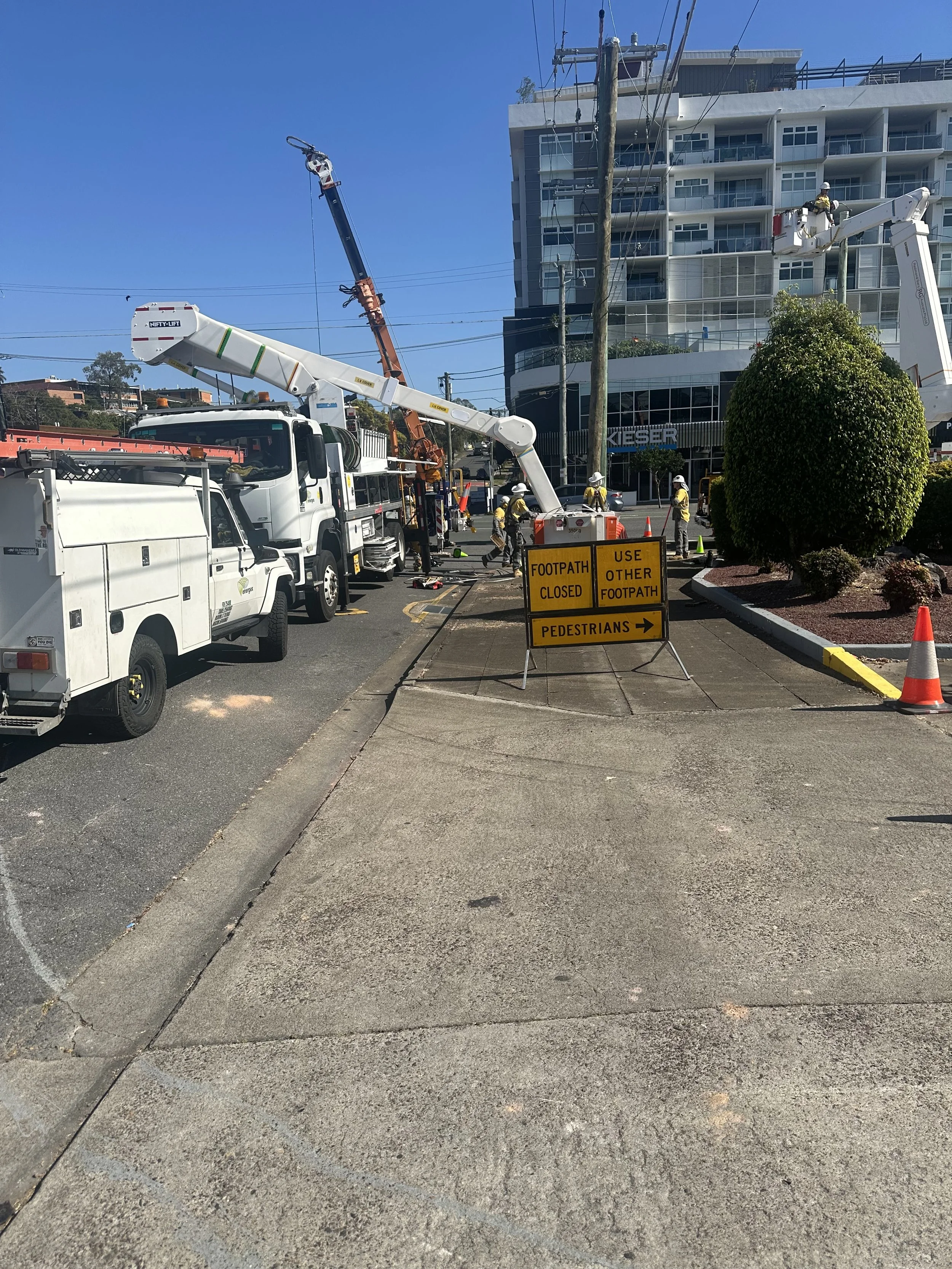
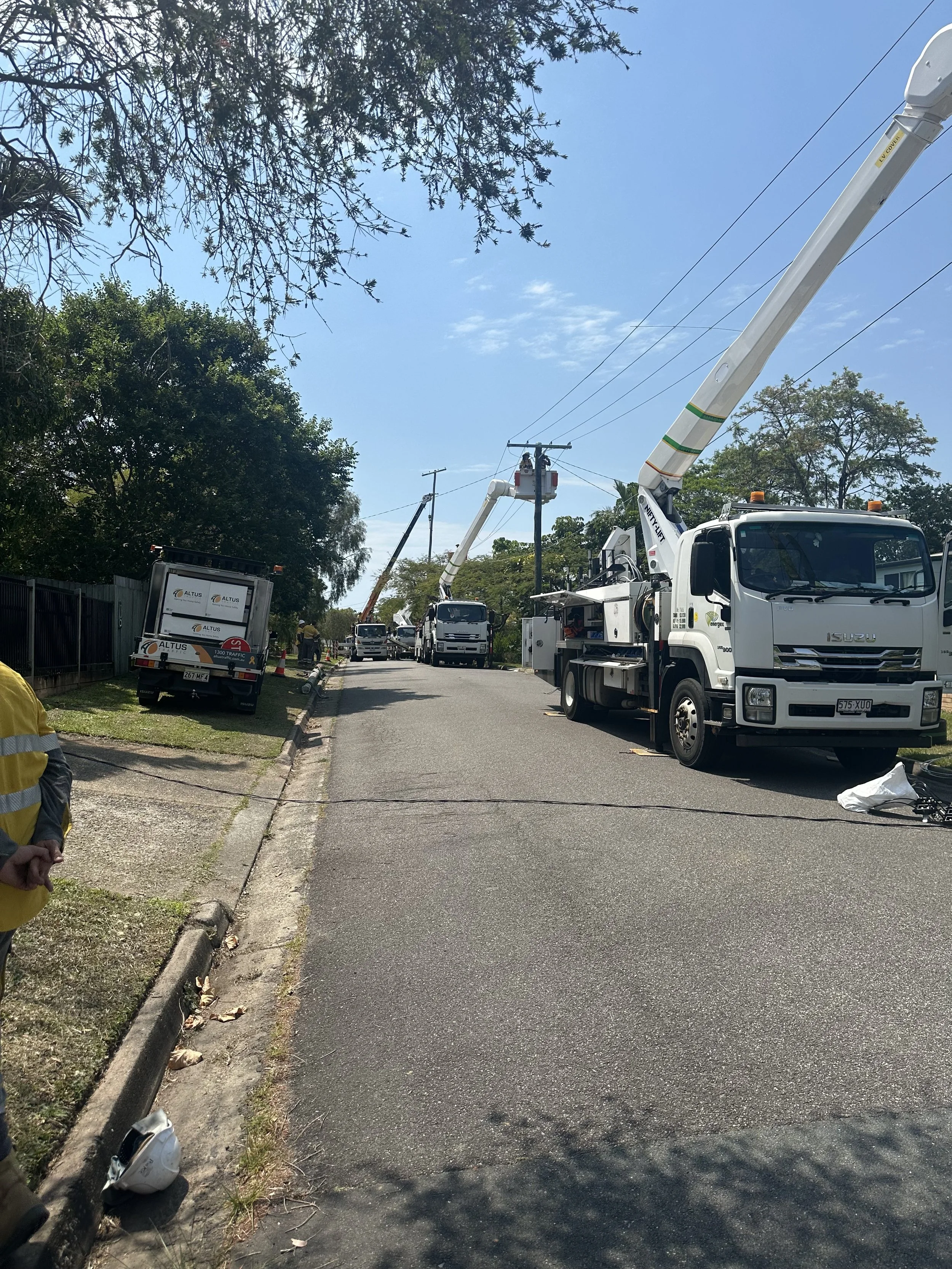
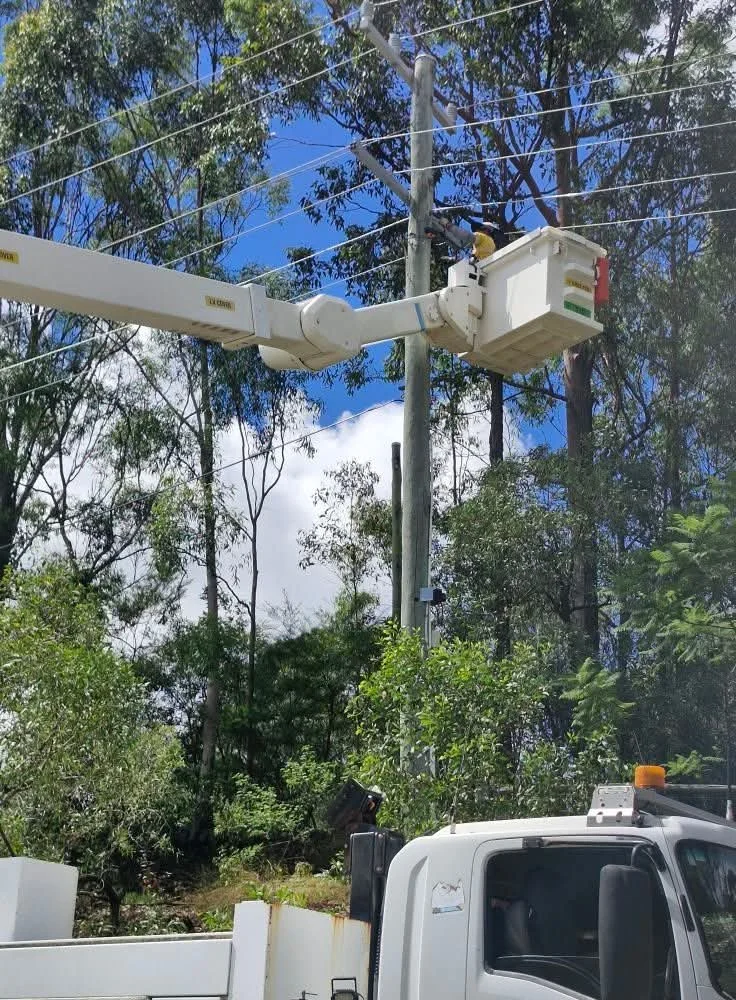
The same depot network and crew depth sit behind every state. In Queensland, the bulk of that volume comes from two utility providers, Energex and Unity Water, whose field crews call on Altus Traffic whenever a fault, outage or burst main creates a live hazard on the road. Every Queensland council, Roadtek and a wide range of other customers also turn to Altus Traffic for emergency work. The same pattern, utilities, councils and government agencies relying on rapid-response crews, repeats state by state across the network.
What Documentation Needs to Be in Place From the First Hour?
An emergency setup needs to be safe and compliant immediately. Providers holding standard, pre-approved Traffic Guidance Scheme (TGS) templates can implement a compliant tactical setup on arrival rather than improvising an arrangement that may not hold up to scrutiny if an incident occurs on site afterwards.
Terminology and approval pathways differ between jurisdictions, which matters for anyone operating across state borders. A provider working nationally needs the correct templates, permit pathways and road authority relationships for each state it responds in, not one set applied everywhere.
Altus Traffic prepares and lodges more than 50,000 traffic plans and permits each year across Australia. Further detail is on our permits and plans page.
How Does an Emergency Setup Transition to a Formal Traffic Management Plan?
Most Australian road authorities and councils expect an emergency tactical setup to be replaced by formally documented traffic management within a defined window, commonly by the next business day. The exact requirement varies by jurisdiction and by the road manager involved, so it is worth confirming for the specific network before an event occurs.
That transition takes more than crews and cones. It requires site documentation and photographic records, notification and liaison with the relevant road authority or council, and a plan prepared to the same standard as any planned works. A provider who arrives quickly but treats this step informally leaves the client exposed once the first few hours have passed. It is the least visible part of an emergency response and one of the most consequential.
Who Else Does a Traffic Management Provider Need to Coordinate With?
Emergencies rarely involve a single party. A typical response can put utility crews, emergency services, council staff, road authority representatives and a principal contractor on the same site at the same time, each with their own priorities and timelines.
The traffic management provider is managing the road while all of that happens, which makes clear communication with each stakeholder part of the job rather than an extra. Coordination is often what separates an orderly response from a congested one.
How Is a Long Running Emergency Sustained?
Sustaining a response depends on crew depth, equipment availability and rostering, not on the speed of the first mobilisation. Multi day events require relief crews, night shift coverage, additional signage and devices, and a plan that adapts as the scope of works changes.
Altus Traffic has worked through events of that length repeatedly. Ex-Tropical Cyclone Alfred crossed the coast in early 2025 and caused the largest natural disaster power outage in Queensland history, cutting power to more than 450,000 homes and businesses across South East Queensland and northern New South Wales. Restoration ran for eleven days and nights. Altus Traffic crews were on the road throughout, protecting the utility crews repairing the network.
Tasmania has produced the same pattern on a smaller scale. Altus Traffic worked alongside TasNetworks for several weeks restoring power to the Tasman Peninsula after the Dunalley bushfires and continues to support storm and snow response for utilities in the state. Long duration events are where the depth behind the response time becomes visible, and it is the same crew depth that keeps up with 50 to 80 jobs a month in Queensland alone.
What Should You Ask a Provider Before an Emergency Happens?
A response time is a reasonable opening question. These are worth asking alongside it:
Which depot would respond to our sites, and how far is it from each of them?
What will be in place on arrival, and are your TGS templates already approved for this road manager?
Who lodges the formal traffic management documentation after the tactical setup, and within what timeframe?
How many crews can you sustain on a multi day event, and how is night shift covered?
Who coordinates with the road authority, council and emergency services on site?
Do you hold the relevant accreditation and permit pathways in every state we operate in?
Emergency Traffic Management Services from Altus Traffic
Altus Traffic is the largest provider of traffic management services in Australia, servicing around 1,800 customer organisations across roads, rail, utilities, events, government, infrastructure and emergency response. Emergency callouts are supported by depots in NSW, QLD, VIC, SA, WA, TAS and the ACT, pre-approved traffic guidance schemes, in house permits and planning teams preparing more than 50,000 plans and permits a year, and the crew depth to sustain a response across consecutive shifts.
For emergency traffic management, call 1300 TRAFFIC (1300 136 530) or contact your local Altus Traffic depot:
· Traffic management in NSW/ACT
· Traffic management in SA
Altus Traffic national office
Phone: 1300 TRAFFIC (1300 136 530)
Email: info@altustraffic.com.au