

Traffic Management for Australia's Utilities Sector: Permits, Standards and Storm Response for Power, Gas, Water and Communications Networks
Traffic management is the first task on a utility site and the last to be packed away. It is also the step that decides whether a crew can legally start at all, because the traffic guidance scheme, the permit and the road authority approval all have to be in place before a lid comes off, a trench is opened or a pole is climbed.
Altus Traffic is Australia's largest traffic services provider, supporting over 1,800 organisations with more than 6.2 million service hours and more than 50,000 traffic plans and permits secured each year, and has partnered with Australia's leading utility organisations for over a decade across VIC, NSW/ACT, QLD, WA, TAS and SA.
Why Utility Works Need Traffic Management for Live Traffic and Short Notice
Utility works differ from general civil construction in four ways, and each one changes what the traffic management has to do.
The location is dictated by the asset, not chosen for convenience. A pit, pole, main or pillar sits where the network put it, which frequently means a tight residential street, a narrow footpath, an arterial road shoulder or a remote regional corridor with no practical detour.
The work is often short. Where a construction project runs a stable site for months, a utility crew may be on site for two hours. Setup and pack-down therefore make up a much larger share of total worker exposure to live traffic, so the speed and correctness of the initial setup matters more, not less.
A high proportion of the work is reactive. Faults, leaks, outages and strikes do not schedule themselves, and the traffic management has to be mobilised against the fault response clock rather than a construction program.
A single job can cross jurisdictions. A gas or water asset can begin on a council-managed footpath and continue into a state-controlled carriageway, which means two approval pathways for one crew on one day.
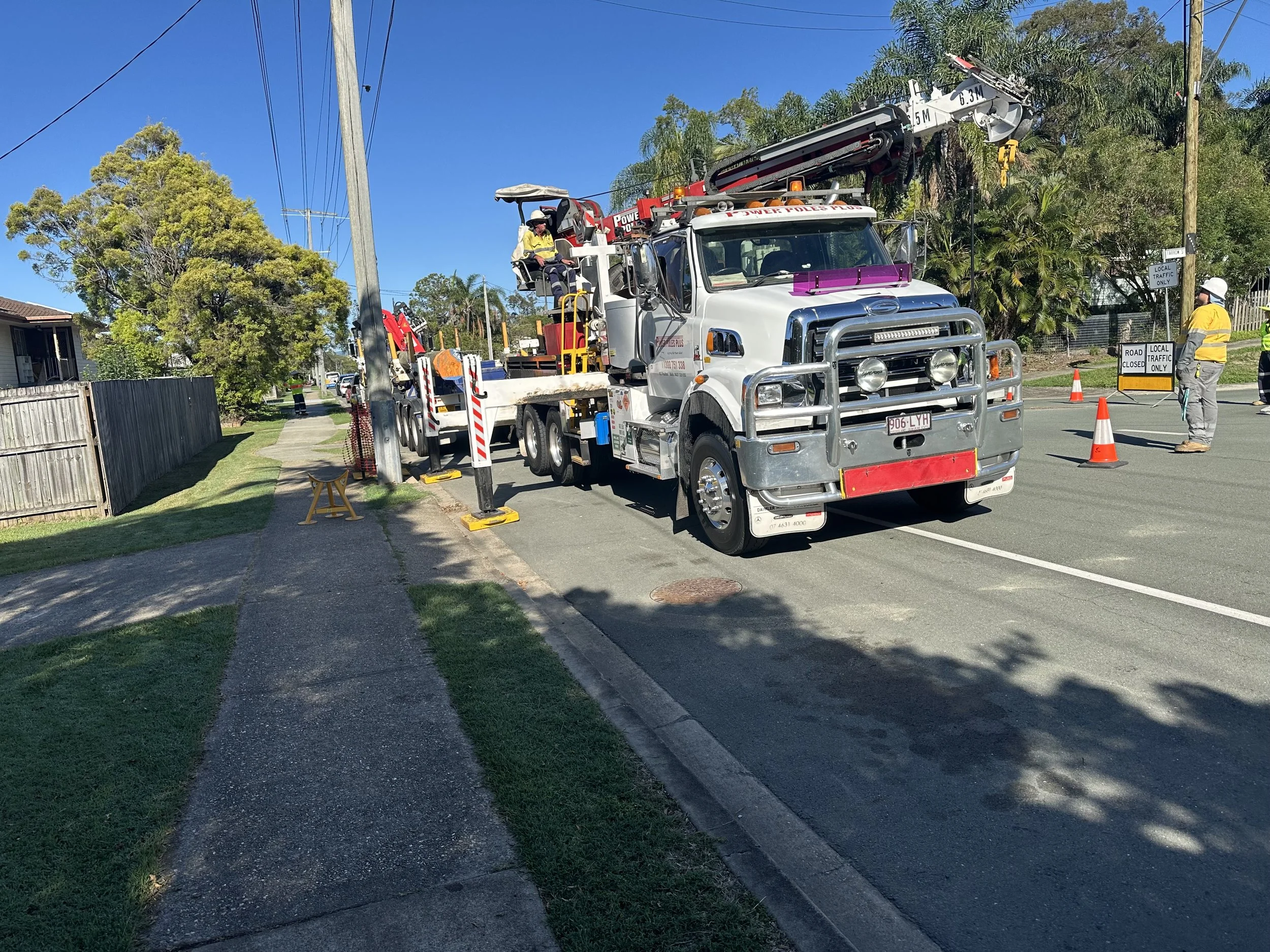
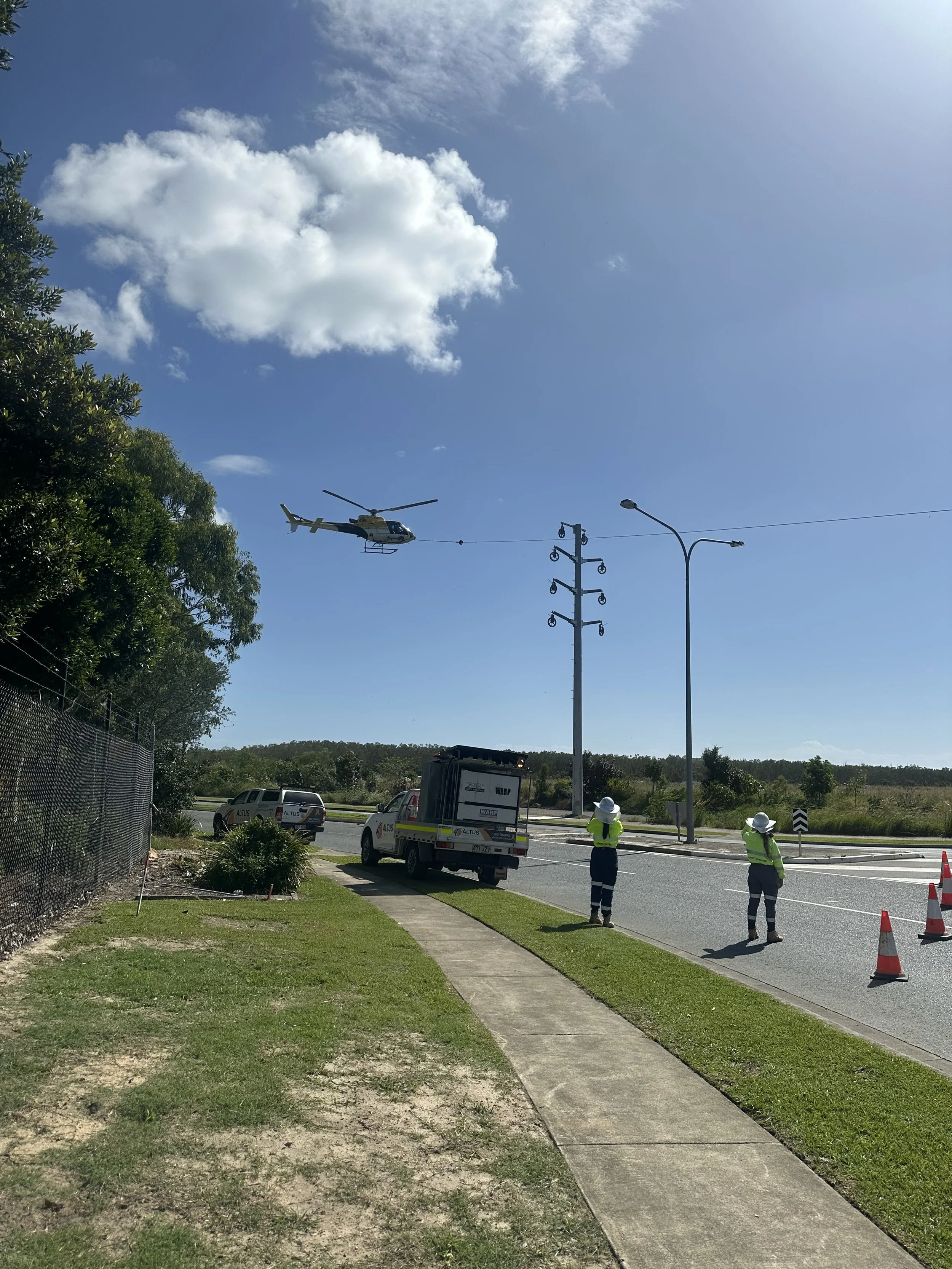
Traffic Controllers, Traffic Management Plans (TMPs) and Traffic Guidance Schemes (TGS) on utility sites are therefore designed around two outcomes at once: (1) protecting the crew inside the exclusion zone, and (2) keeping motorists, cyclists, pedestrians and residents outside it moving safely and predictably. That dual focus is not abstract. Utility works happen in the middle of daily life, where driveways still need to be accessed, bus routes still need to run, schools still open and close on schedule, and in many cases a resident's power or water is already off while the work is underway.
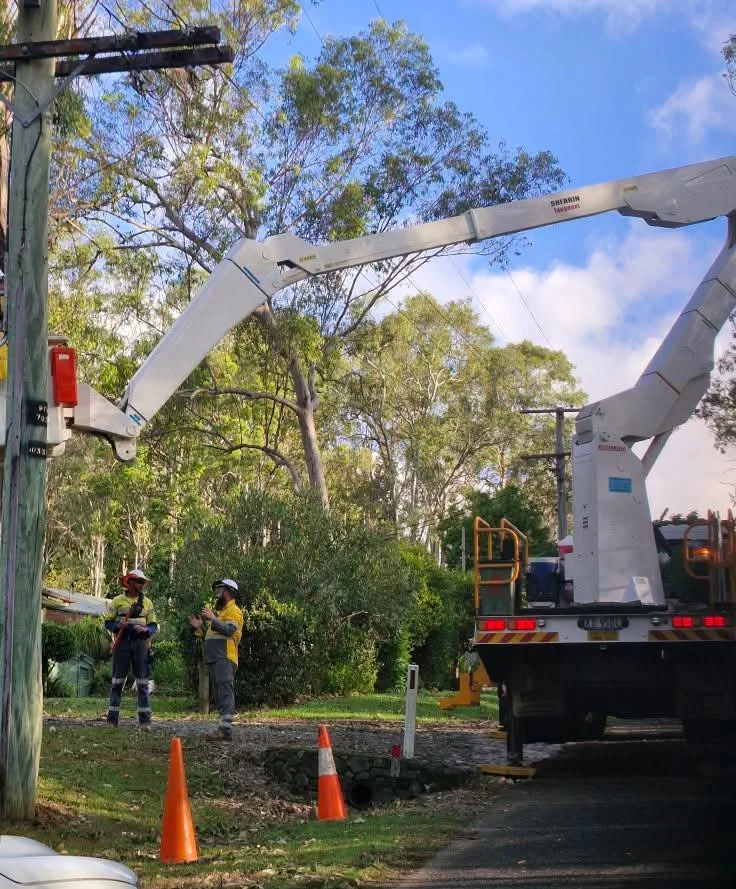
More Than a Decade Partnering with Australia's Leading Utility Providers
For over a decade, Altus Traffic has partnered with leading utility organisations including Energy Queensland, Essential Energy, Western Power, TasNetworks, TasWater, Telstra, Ventia, Service Stream, Downer, APA, PowerCor, Ausgrid, Fulton Hogan and SAPN. Our experience spans diverse and demanding environments across VIC, NSW/ACT, QLD, WA, TAS and SA, enabling our clients to deliver and maintain critical public infrastructure efficiently and enabling their people to do so without placing themselves or the public at risk.
Storm and Emergency Recovery: What Altus Traffic Does in the Days After the Network Goes Down
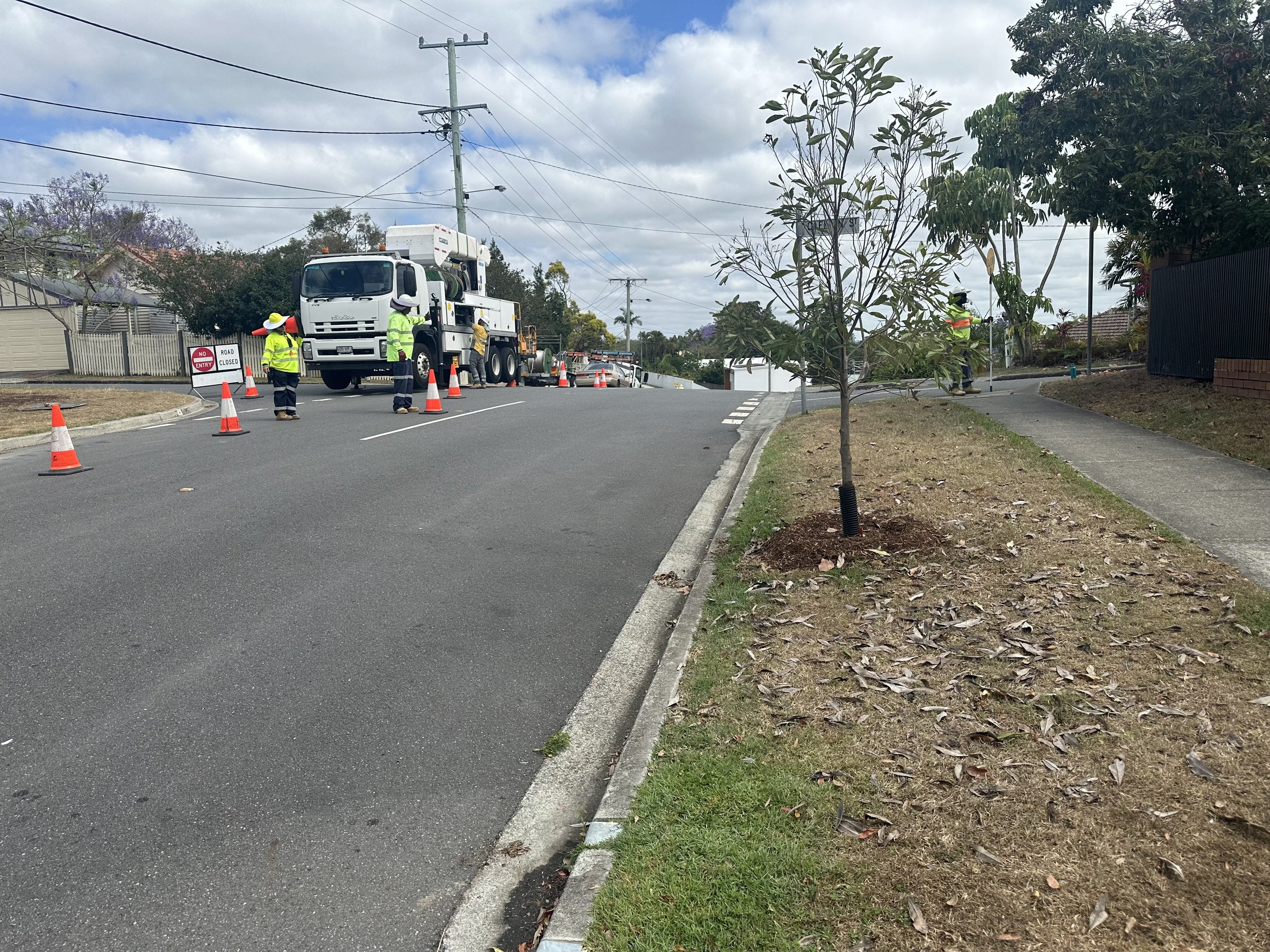
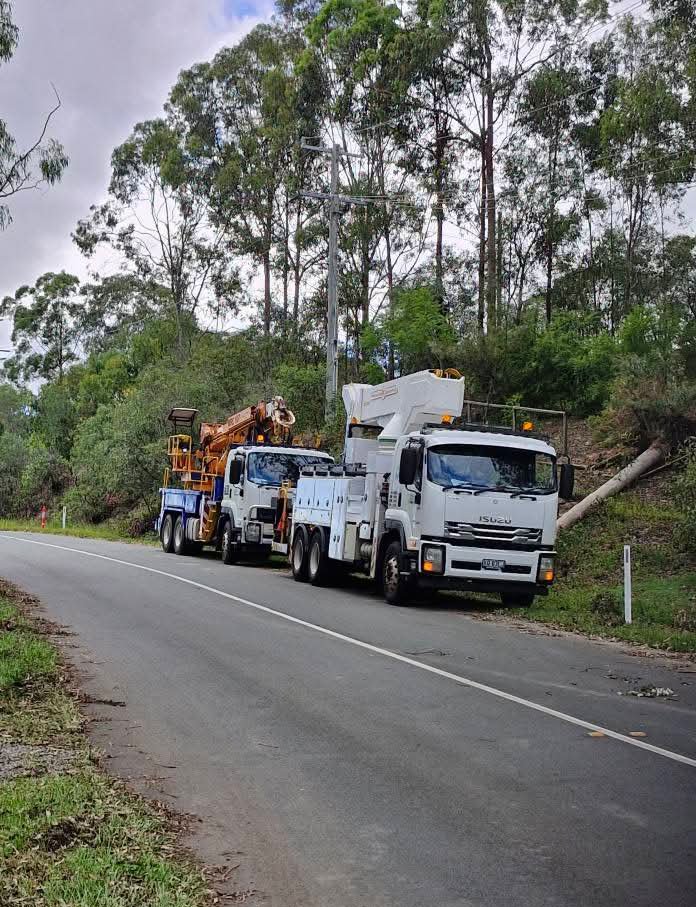
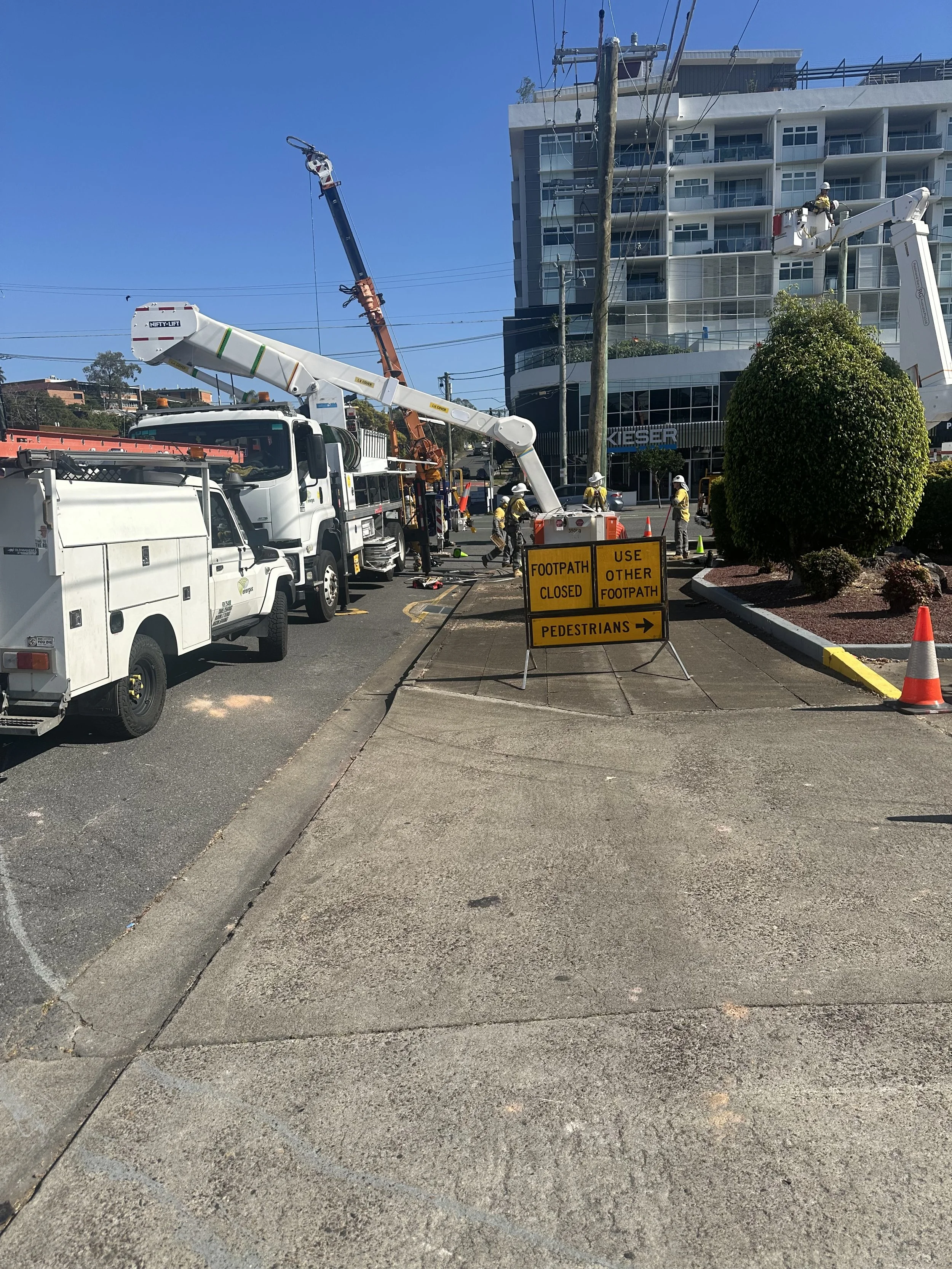
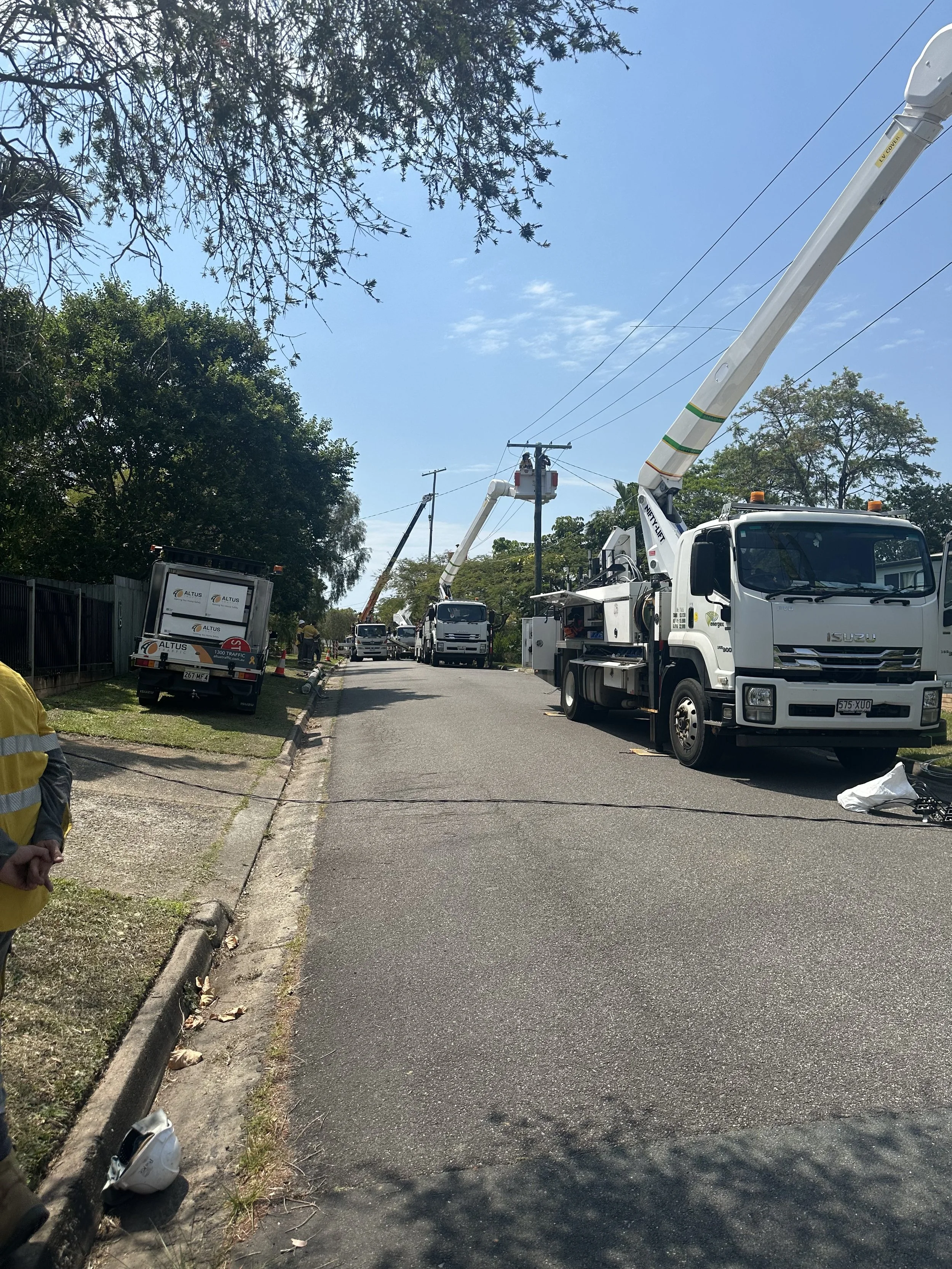
Australia's utility networks are tested hardest in the days following a storm, cyclone, bushfire or flood. Roads are cut, power lines are down, and the crews restoring services need safe, legal access before any repair can begin. Altus Traffic establishes that access: strategic road closures, detours and traffic management plans and permits that hold while multiple utility and council crews work the same corridor.
Ex-Tropical Cyclone Alfred, South East Queensland, March 2025
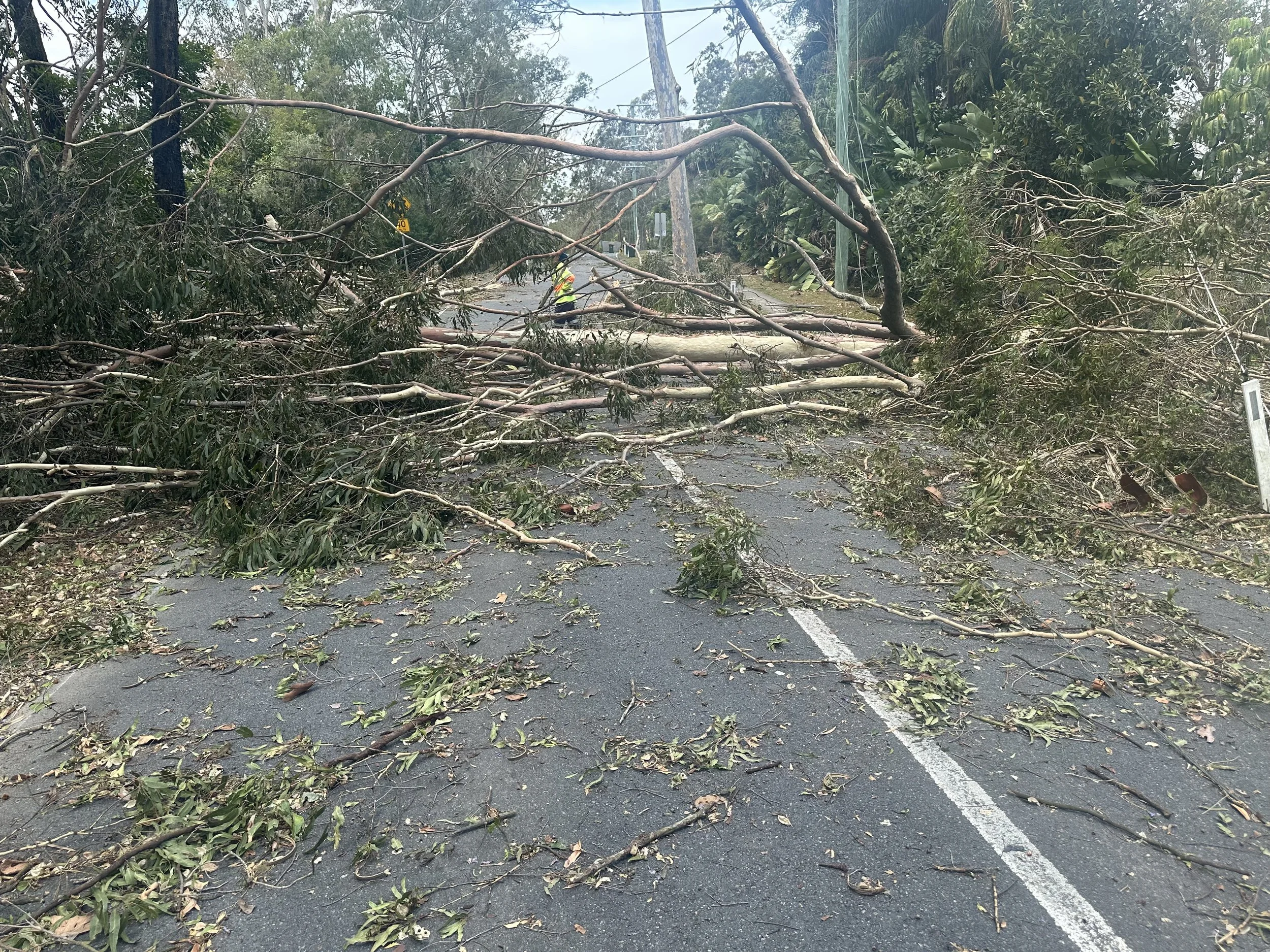
Ex-Tropical Cyclone Alfred made landfall just north of Brisbane in March 2025, bringing heavy rainfall and strong winds felt as far south as the mid-north coast of New South Wales. Trees and power lines came down, flooding followed, and many roads were left impassable with communities isolated.
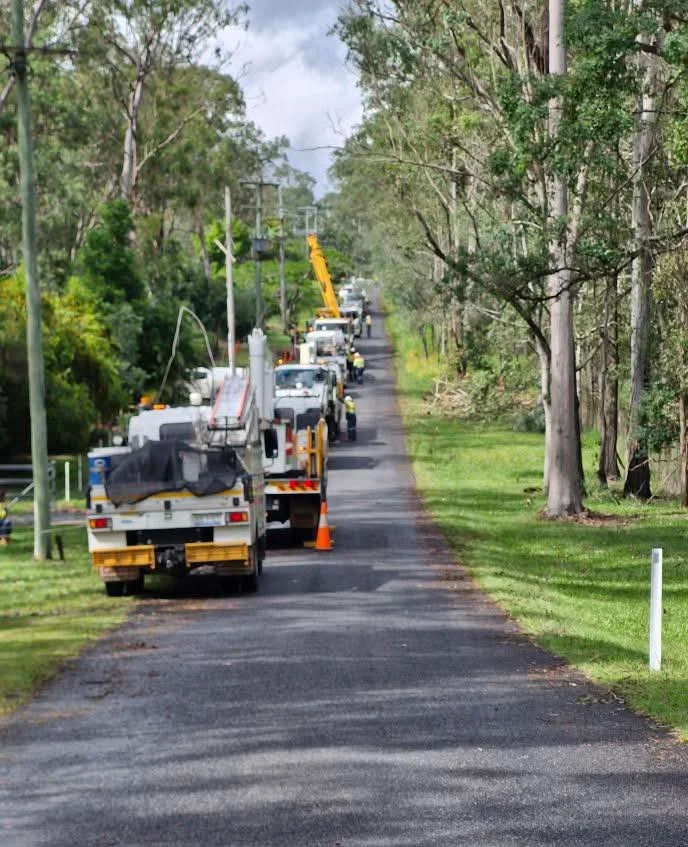
In the recovery, Altus Traffic worked alongside utility providers and government authorities including Energy Queensland, Unitywater, Brisbane City Council, City of Moreton Bay, Logan City Council, Sunshine Coast Council and Ipswich City Council. Altus Traffic implemented the road closures and traffic management plans that protected both the public and the response crews while utility teams dealt with downed power lines, cleared trees from roads and homes, managed outages and repaired flood-damaged infrastructure.
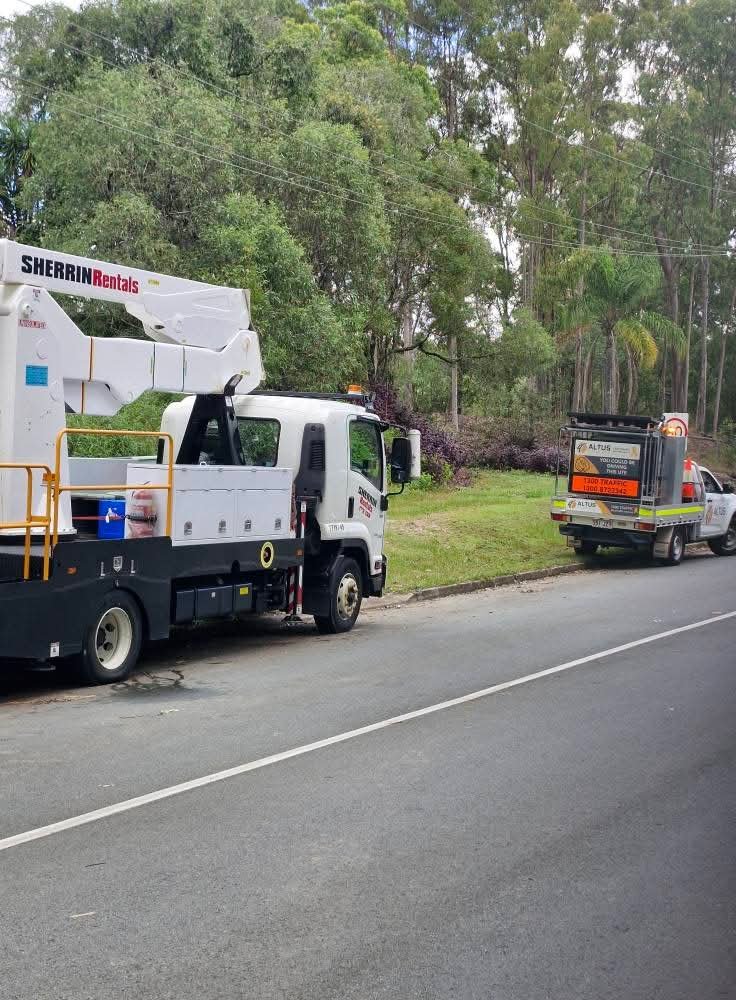
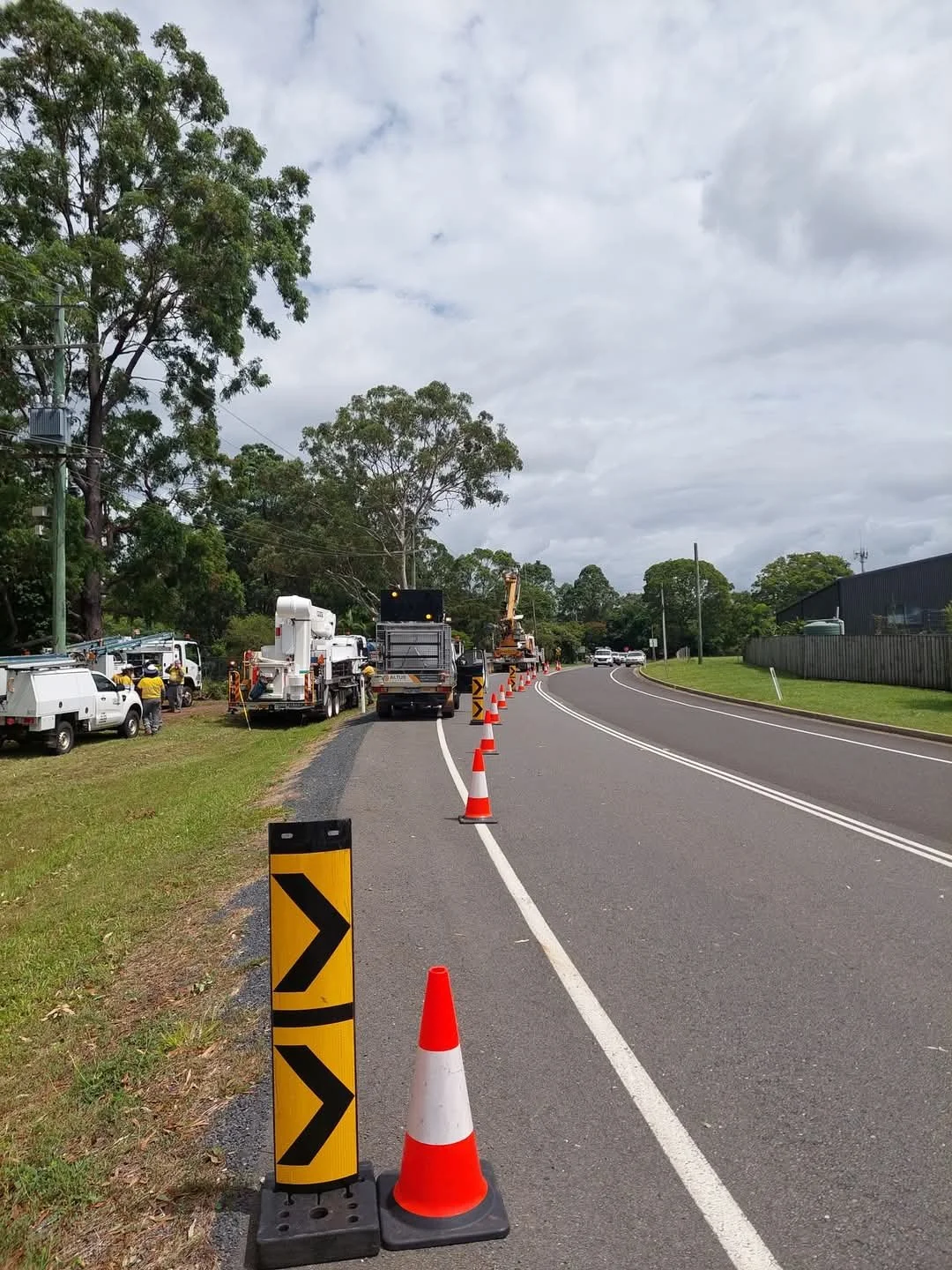
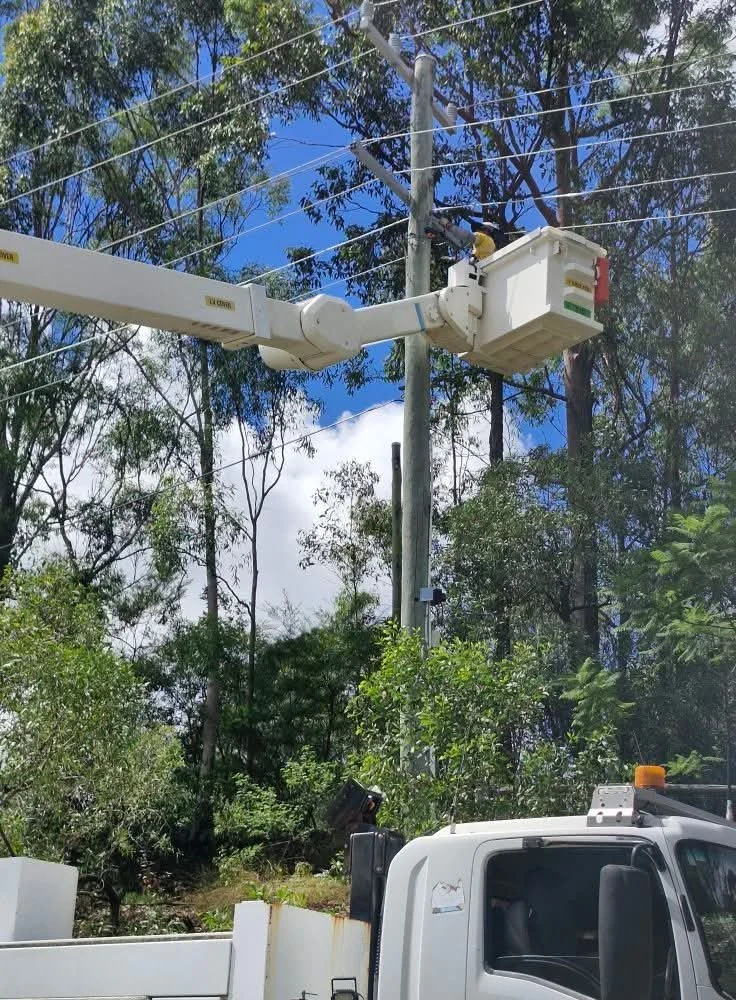
Tasmania and TasNetworks: From the Dunalley Bushfires to Routine Storm Response
Altus Traffic's work on Tasmania's power network goes back to January 2013, when Altus supported the response to the Dunalley bushfires, which cut road access and damaged network infrastructure across south-east Tasmania. In the weeks that followed, Altus Traffic crews worked alongside the network team to restore power to the Tasman Peninsula, keeping access open and traffic controlled for line crews throughout an extended recovery.
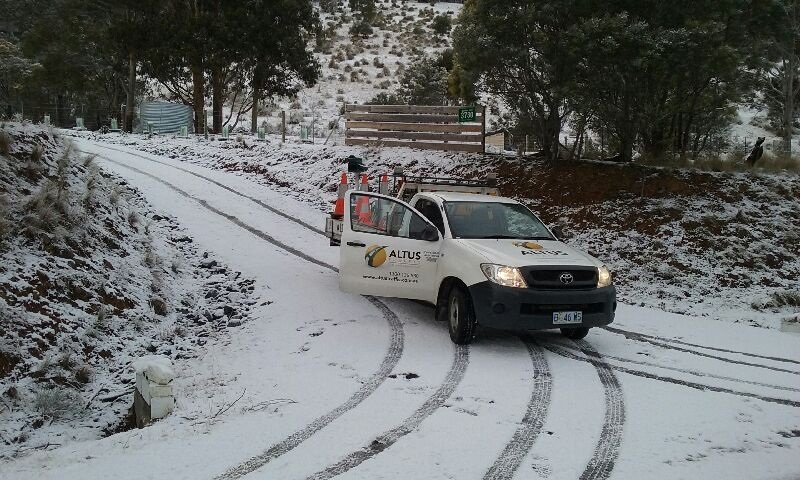
The relationship with TasNetworks continues through conditions that are more routine but no less demanding. Tasmania's north-west coast is regularly battered by storm winds that bring down powerlines and wires, and the same occurs in rural parts of the south. When TasNetworks needs traffic management to cover crews restoring power through storms, snow and high winds, Altus Traffic is called on to provide it, frequently at short notice and in weather that makes every part of the job harder.
Emergency Response Draws on the Same National Capability
Storm response is not a separate service line at Altus Traffic. It draws on the same national capability, the same trained people and the same equipment, mobilised faster and in harder conditions. That matters commercially, because a utility provider contracting Altus Traffic for a planned program is contracting the same organisation that will answer the phone at 2am in the next storm season. Most importantly, both obligations are held at once: get the network back on AND get every person on site home safely.
Talk to Us About Traffic Management for Your Utilities Program
Whether you are planning a multi-year network upgrade, managing a reactive maintenance panel or preparing for the next storm season, the Altus Traffic team can scope the traffic management, permits and technology that suit the work.
Find Your Nearest Altus Traffic Depot
Altus Traffic operates from depots across the country, so the crew supporting your works is a local one.
Altus Traffic national office
Phone: 1300 TRAFFIC (1300 136 530)
Email: info@altustraffic.com.au
Learn more about how Altus Traffic supports the utilities sector, or explore our traffic management services and traffic permits and plans.