

Traffic Control Equipment Hire for a Construction Project
To hire equipment such as Variable Message Signs (VMS) or temporary traffic lights for a construction project, you need to define the site requirements, secure a Traffic Management Plan (TMP) and any necessary road authority permits, then arrange delivery, installation and testing through a specialist traffic equipment hire provider. Getting the approvals and specifications right before equipment arrives on site is what keeps a project compliant, safe and on schedule.
What Equipment Can You Hire for a Construction Project?
Construction and civil works projects across Australia typically hire a mix of traffic control devices depending on the scale and duration of the works. Common equipment includes:
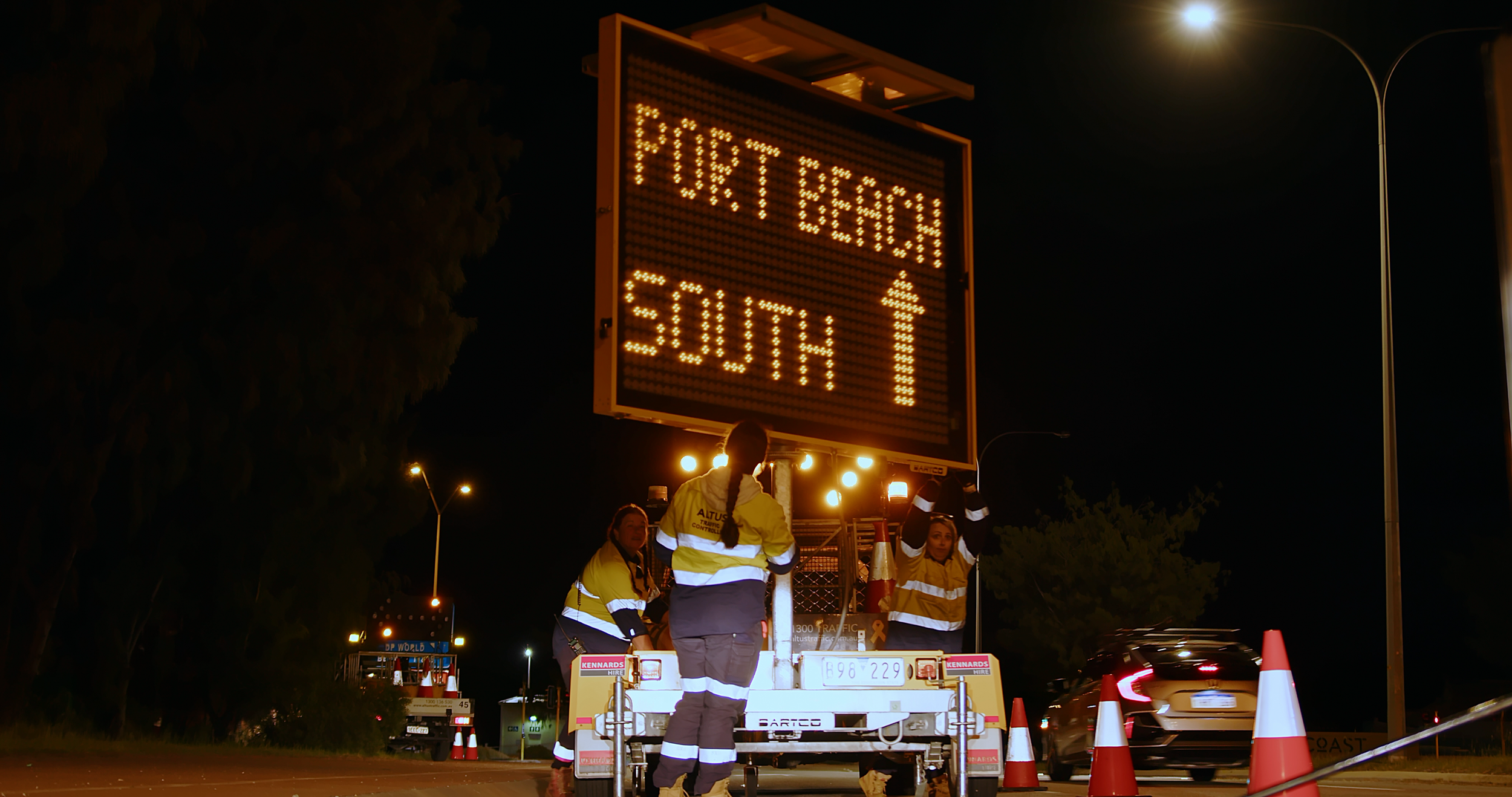
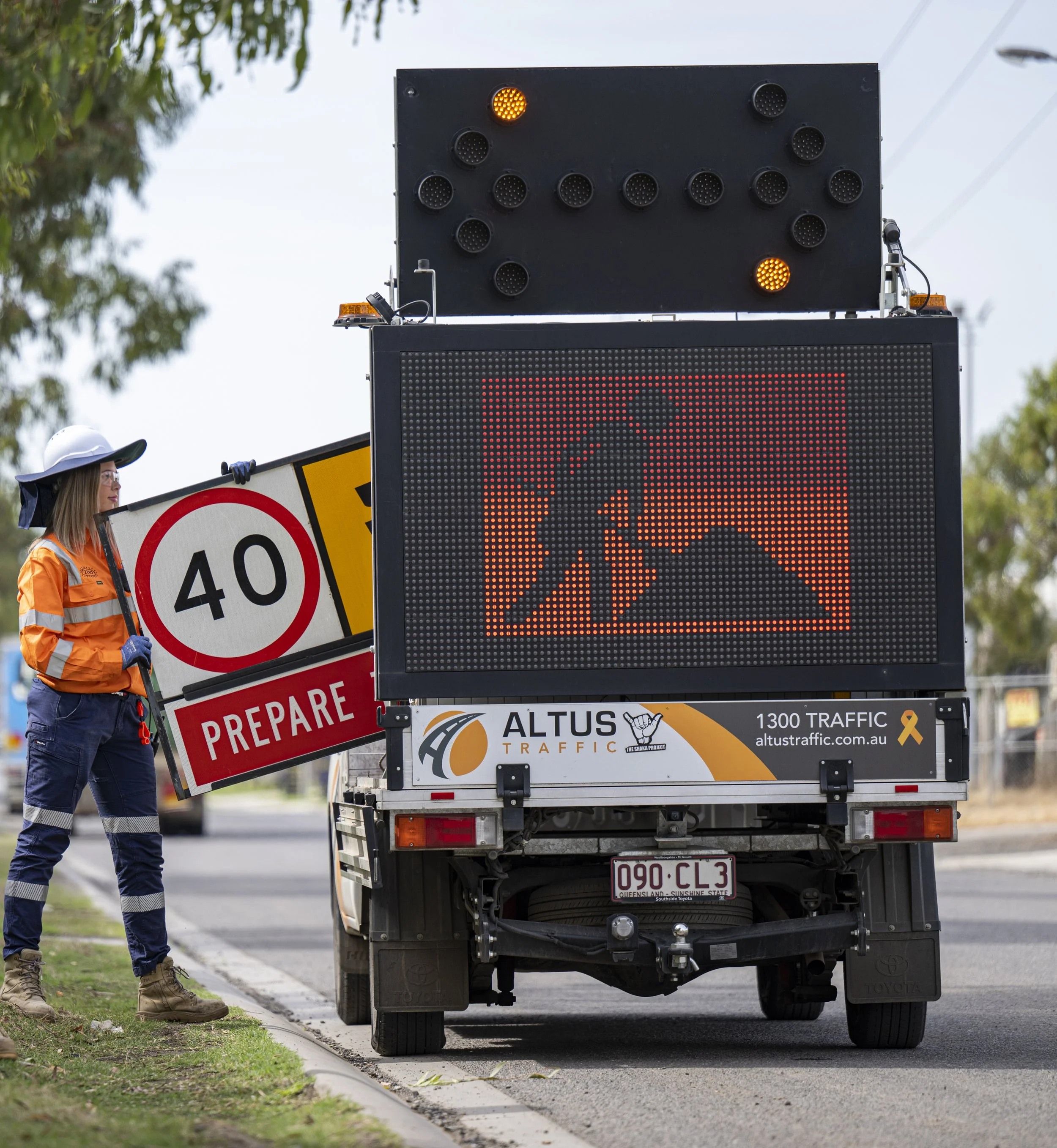
Variable Message Signs (VMS): electronic signs that display changeable text or symbols to warn drivers of upcoming works, detours, speed changes or hazards.
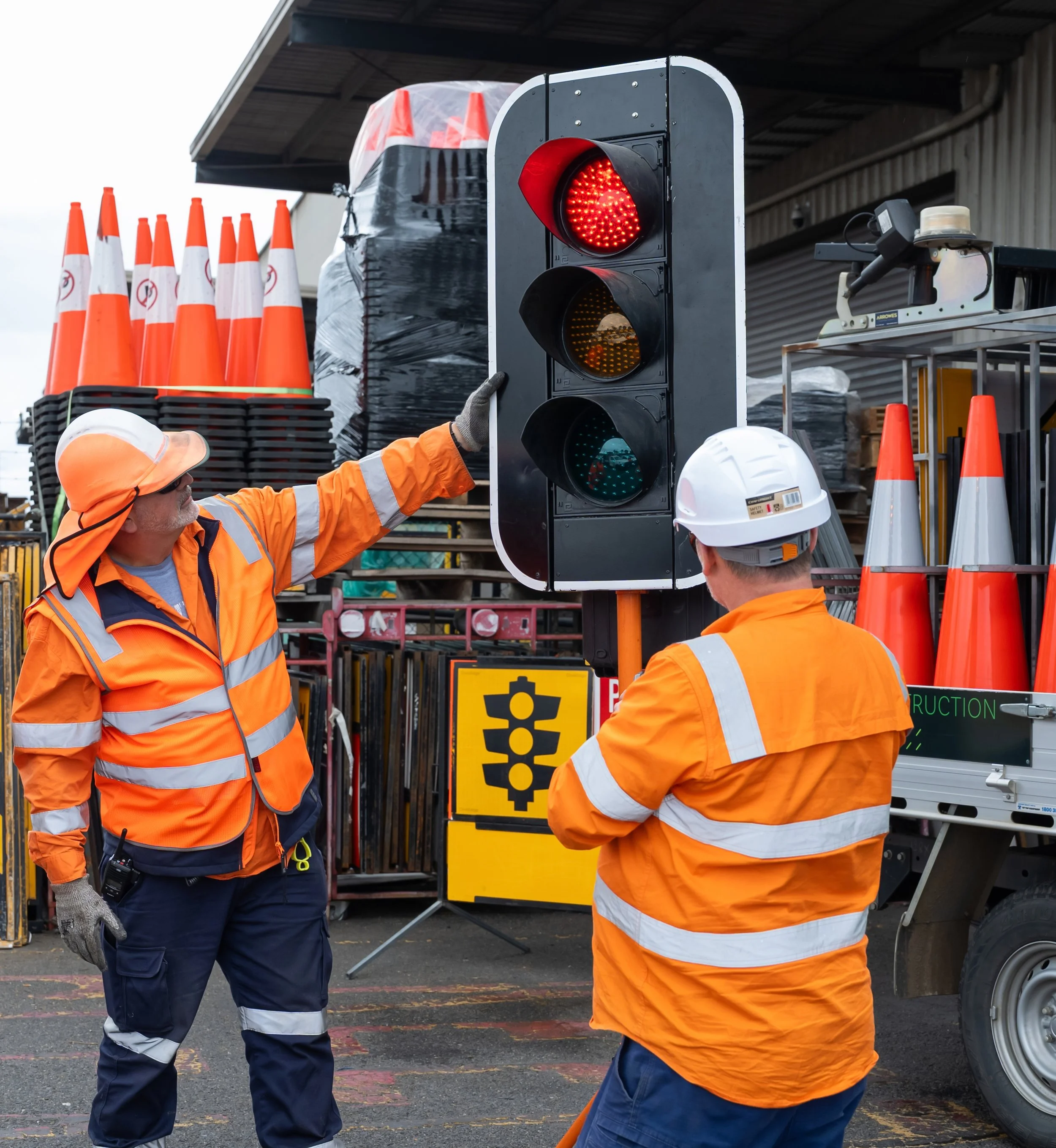
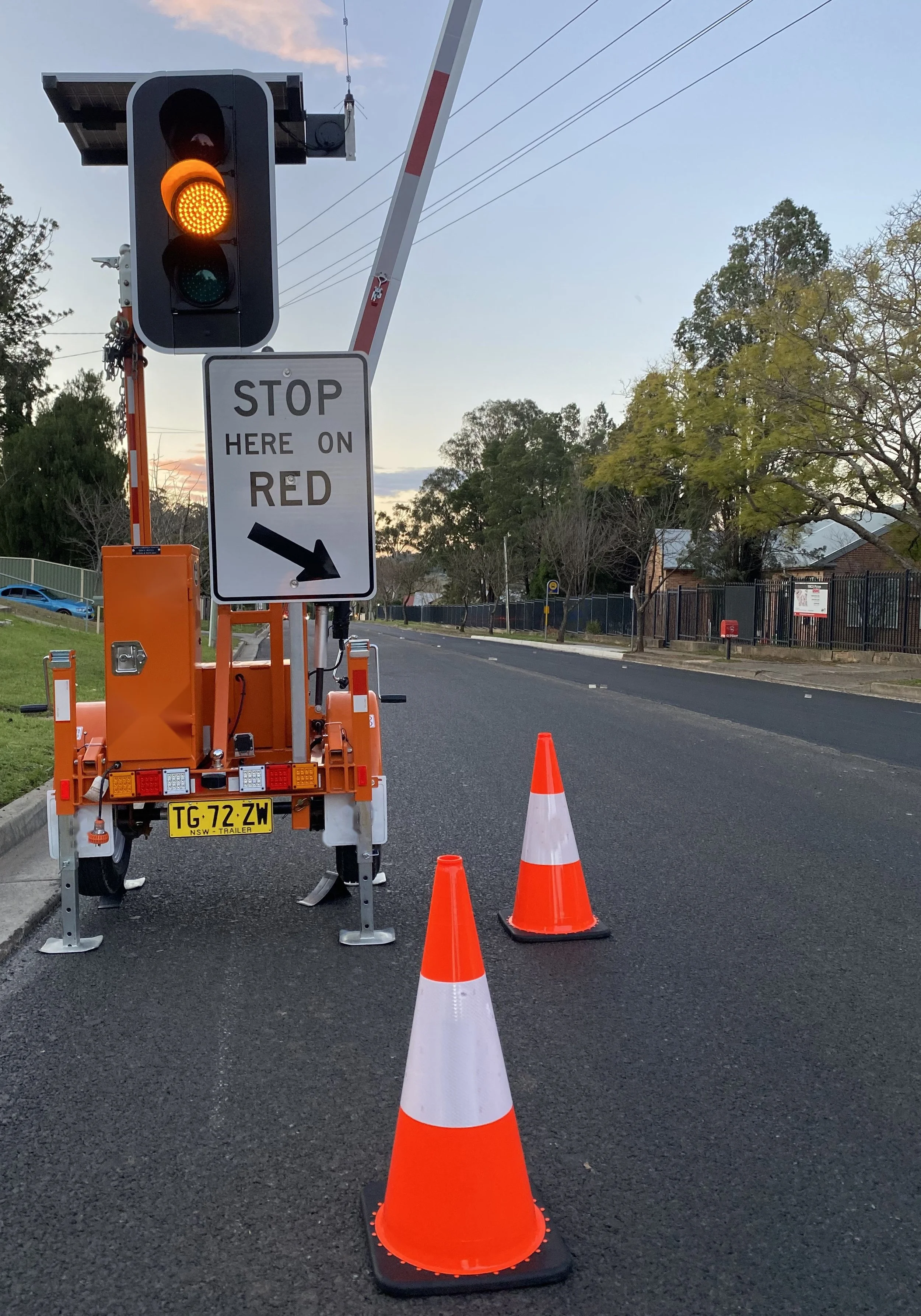
Portable traffic signals: temporary traffic lights used to control single-lane closures, vehicle-activated crossings, or pedestrian movements around a worksite.
Arrow boards: directional signage used to guide traffic around lane closures or merges.
Lighting towers: portable lighting for night works or low-visibility conditions, supporting both worker safety and driver visibility.
Boom gates and E-Stops: access control equipment used on managed sites, rail corridors and higher-risk works to physically restrict or halt vehicle movement.
The right combination depends on the nature of the works, the road classification, the speed environment and how long the equipment will be needed on site.
What Do You Need to Define Before Requesting a Hire Quote?
Before contacting a hire provider, it helps to have a clear picture of the site and project requirements. This includes:
Scope and specifications: the number and size of VMS boards required, the type of temporary signal needed (vehicle-activated or pedestrian), and any specific display or character requirements.
Power and mounting requirements: whether equipment needs to be solar-powered, generator-powered, or trailer-mounted, and how it will be positioned on site.
Site conditions and speed limit: higher-speed roads generally require larger VMS boards and greater sign legibility distances, in line with the applicable state road authority's traffic control guidelines.
Hire duration: short-term works and long-term projects are often priced and resourced differently by hire providers.
Having this detail ready before requesting a quote helps a hire provider give an accurate lead time and cost, rather than a general estimate that changes once the site is properly assessed.
What Approvals Are Required Before Installing VMS or Temporary Traffic Signals?
In Australia, any traffic control device placed on or near a public road, including VMS boards and temporary traffic signals, generally requires a Traffic Management Plan (TMP) or equivalent Traffic Guidance Scheme (TGS), along with approval from the relevant road authority or local council before installation. Traffic control devices used for roadworks are typically designed and placed in accordance with the Australian Standard AS 1742.3: Manual of Uniform Traffic Control Devices, Part 3: Traffic Control Devices for Works on Roads, alongside the specific guidelines issued by each state and territory road authority (such as Transport for NSW, the Department of Transport and Planning in Victoria, the Department of Transport and Main Roads in Queensland, or Main Roads Western Australia).
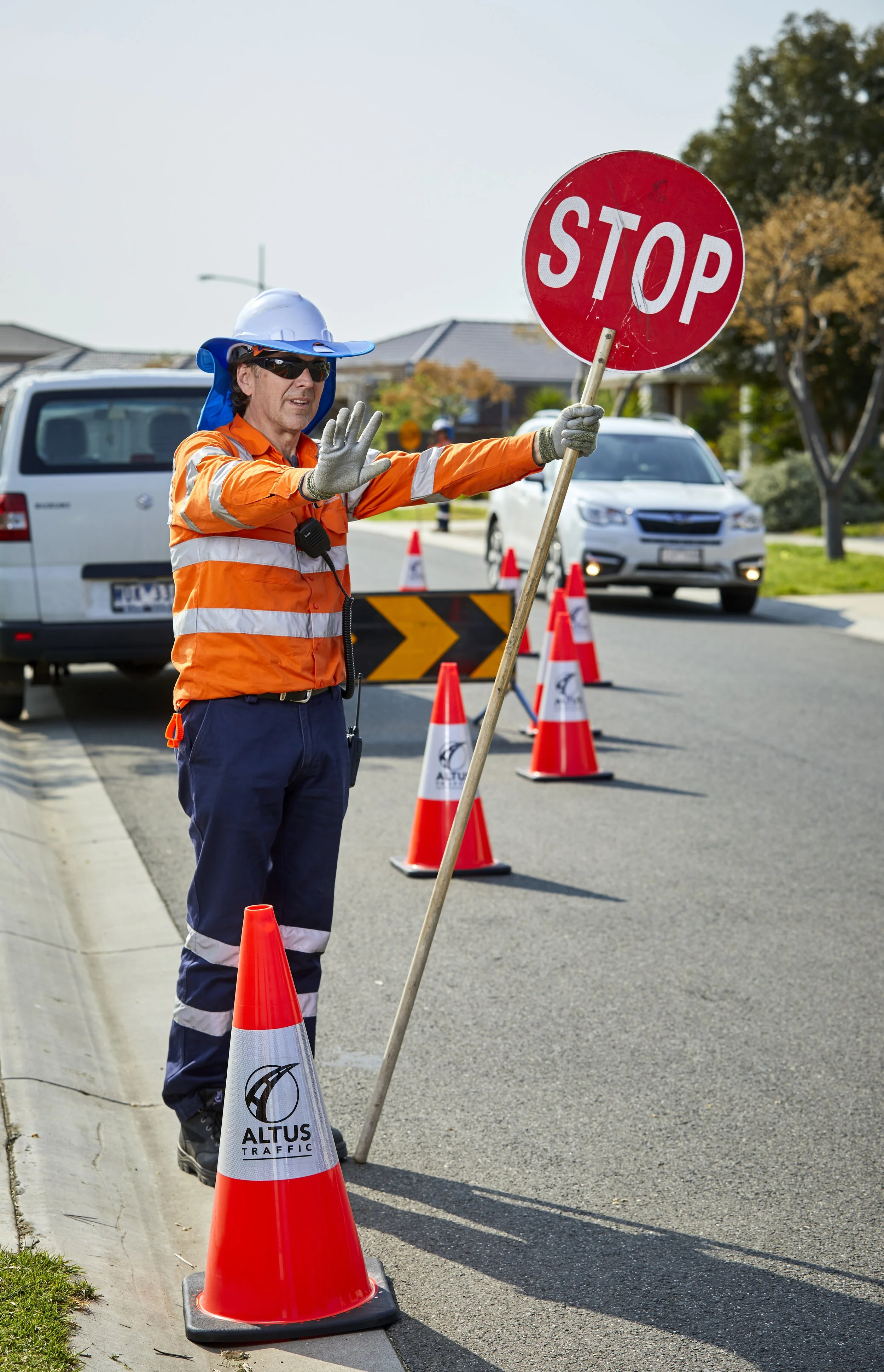
Approval requirements and lead times vary by state, council and road classification, so it's worth engaging with a traffic management provider early in the planning process rather than after equipment has already been ordered. A compliant TMP covers not just where the equipment is placed, but how it interacts with the broader traffic control setup on site, including signage, tapering and any Traffic Controllers required to manage the works.
How Do You Get a Quote from a Traffic Equipment Hire Provider?
Once the scope is defined, the next step is contacting a specialist traffic equipment hire provider for a quote. When comparing providers, it's worth asking about:
Lead times for delivery and installation, particularly for larger or higher-demand equipment like VMS boards during peak construction periods.
Delivery and installation services, including whether the provider positions and commissions the equipment on site or expects the hirer to do so.
Remote management and control options, such as the ability to update VMS messaging remotely without a site visit.
Operator training, particularly for equipment like portable traffic signals that may require someone on site to understand its operation.
Larger equipment hirers and specialist traffic management companies both offer VMS and portable signal hire in Australia, but the level of integrated support, from TMP development through to on-site management, varies significantly between a general equipment hirer and a dedicated traffic management provider.
What Should You Confirm with Your Equipment Hire Supplier?
Before confirming a booking, it's worth checking the following with any hire supplier:
Whether delivery, siting and commissioning are included or handled separately.
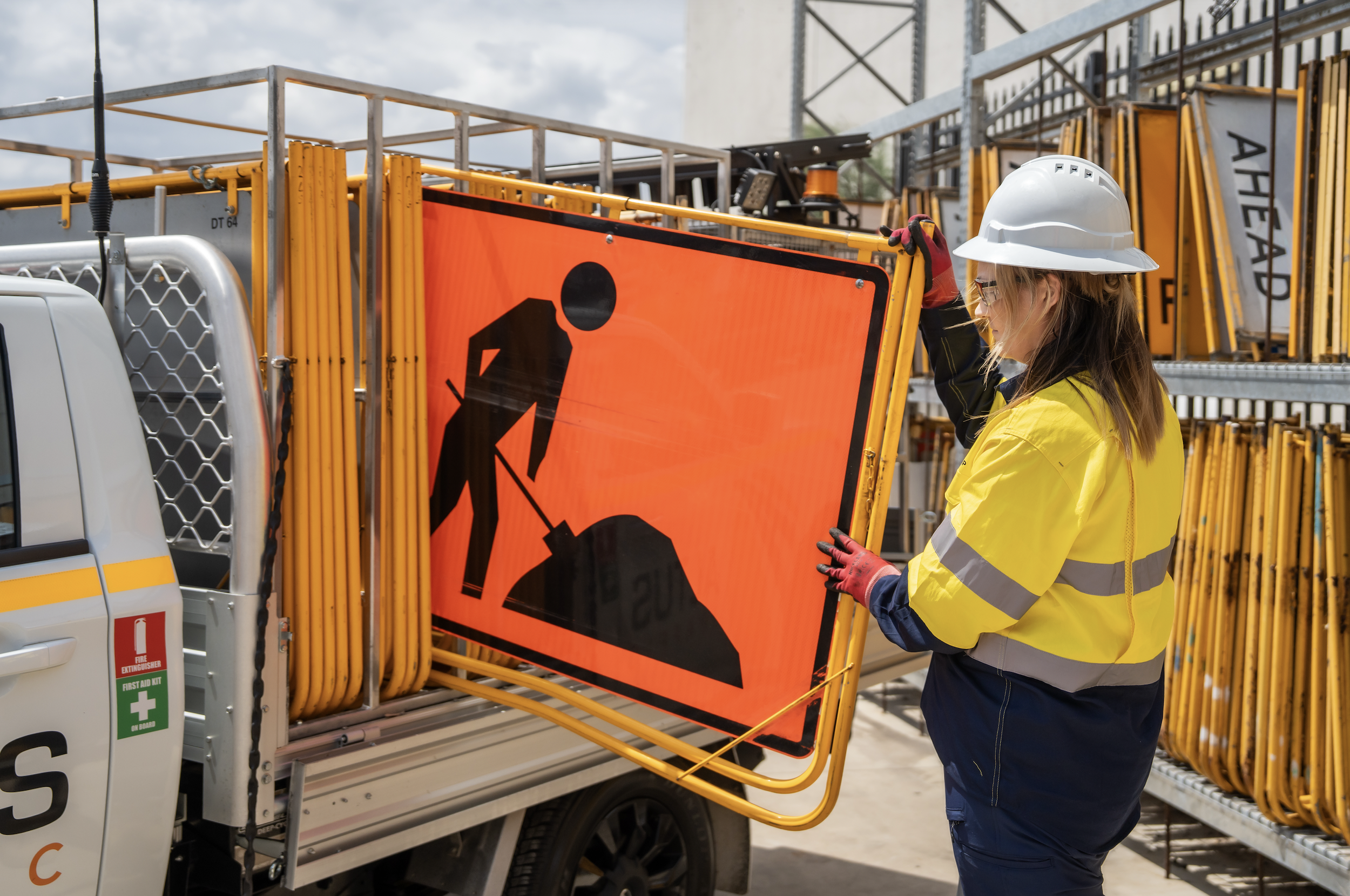
Whether the required traffic management signage and tapering around the equipment is provided as part of the service or needs to be arranged independently.
What the process is for equipment faults or breakdowns, including response times for maintenance.
Whether operator training is provided, and what certification the crew installing or operating the equipment holds.
What the return and de-installation process looks like once works are complete.
Providers who combine equipment hire with traffic management services under one contract can generally manage all of this as a single point of contact, which reduces coordination between multiple suppliers on site.
How Is Equipment Hire Delivered, Tested and Documented?
Once a supplier is confirmed, equipment should be scheduled for delivery well ahead of the works starting, allowing time to test VMS messaging and signal operation on site before it goes live. Good practice includes:
Testing on arrival: confirming VMS messages display correctly and temporary signals are timed and phased appropriately for the site.
Keeping documentation: retaining copies of the TMP approval, any permits issued by the road authority, and handover or commissioning certificates for the equipment.
Confirming insurance and responsibility: clarifying who holds responsibility for the equipment while it's on site, including any damage waiver arrangements, and what's covered under the hire agreement versus the project's own site insurance.
Keeping this documentation on file is important both for compliance during the works and in the event of an incident or audit after the fact.
Equipment Hire Services from Altus Traffic
Altus Traffic offers Variable Message Signs, Portable Traffic Signals, Lighting Towers, Arrow Boards, Boom Gates and E-Stops for hire, combined with traffic management services under a single point of contact. Because Altus Traffic retains full control of its equipment on managed sites, customers benefit from extended damage waivers and on-site message or equipment movements at no extra charge, something that isn't always available when hire equipment and traffic management are sourced from separate suppliers.
Whether you need equipment hire on its own or as part of a fully managed traffic control solution, Altus Traffic's Equipment Hire service can help scope, deliver and support VMS boards, temporary signals and related equipment for your project.
Altus Traffic can also assist with the Traffic Management Plans and permits required before equipment is installed. Learn more about Permits & Plans, where the Altus Traffic team secures more than 50,000 traffic plans and permits annually across Australia.
Frequently Asked Questions About Hiring VMS Boards and Traffic Lights
Do I need a Traffic Management Plan to install a VMS board?
In most cases, yes. Any traffic control device installed on or near a public road, including a VMS board, generally requires an approved Traffic Management Plan or Traffic Guidance Scheme, along with any relevant road authority or council permit, before installation.
How far in advance should I book VMS or temporary traffic light hire?
Lead times vary by supplier, equipment type and how busy the construction season is in your area. It's best to engage a hire provider as early as possible in project planning, ideally at the same time the Traffic Management Plan is being developed, rather than waiting until close to the works start date.
Can VMS messages be updated remotely once installed?
Many VMS units support remote message management, allowing updates to be made without a site visit. This is worth confirming with your provider, particularly for longer projects where messaging needs to change as the works progress.
What happens if hired equipment is damaged on site?
This depends on the terms of the hire agreement. Some providers, particularly those who also manage traffic control on the site, offer extended damage waivers as part of an integrated service. It's important to clarify this before the equipment arrives on site.
Who is responsible for the traffic signage and tapering around hired equipment?
This should be confirmed with the supplier before booking. Some traffic equipment hire providers include the surrounding signage and tapering as part of an integrated traffic management service, while others expect this to be arranged separately.